RISE Faculty Publication News
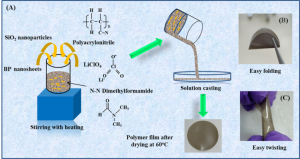
- In this recent study, “Black Phosphorus Nanosheets as Efficient Ion Navigators at Room Temperature in Polyacrylonitrile-Based Composite Solid Polymer Electrolyte for Li-Ion Batteries”, published in Small (2025, 21:41, e04995), https://doi.org/10.1002/smll.202504995, Satish Ogale and his team contributed experimental expertise, while Dr. Amreen Bano led the computational study. The combined approach elucidated the ion‑transport mechanism in the PAN‑BPN‑SO composite polymer electrolyte. Simulations revealed that black phosphorus nanosheets create directional Li⁺ migration pathways, while SiO₂ nanoparticles disrupt PAN crystallinity to facilitate faster ion mobility. Computational modelling further confirmed enhanced Li‑salt dissociation and reduced energy barriers for Li⁺ hopping, supporting the experimentally observed improvements in ionic conductivity and electrochemical performance.
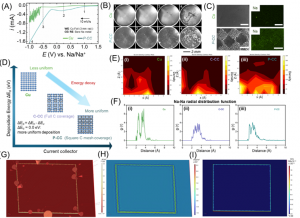
- In this recent study, “Decoding Anode Stability: From Nucleation Kinetics to Pattern-Guided Flux Control for Long-Cycling Anode-Less Sodium Metal Batteries”, published in Advanced Energy Materials (2025, e03588), https://doi.org/10.1002/aenm.202503588, Kingshuk Roy and his team contributed experimental expertise together with Dr. Amreen Bano and her team, who provided computational modelling and analysis. The work demonstrates that carbon promotes faster, partially reversible sodium plating, motivating the use of laser‑patterned Cu collectors to achieve uniform Na⁺ flux. Molecular dynamics simulations revealed how edge defects and surface chemistry govern Na⁺ adsorption and mobility, while multiphysics modelling showed edge‑focused electric fields directing ionic flux, validating the experimental observations. This integrated approach establishes strategies for long‑life cycling and highly stable sodium metal deposition in anode‑less batteries.
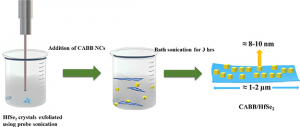
- In this recent study, “Cs₂AgBiBr₆/HfSe₂ (0D/2D) Nano‑hetero Interface for Superior Photoconduction via Efficient Charge Separation”, published in Journal of Physics: Energy (2026, 8, 015007), Satish Ogale and his team designed fluorescent Cs₂AgBiBr₆ nanocrystals (CABB NCs) self‑assembled on HfSe₂ nanosheets, leading to a marked reduction in fluorescence. Time‑resolved photoluminescence, photoconductivity measurements, and density functional theory (DFT) calculations revealed stable interfaces with excellent photo‑responsivity (0.117 A W⁻¹) and high detectivity (2.58 × 10¹¹ Jones). Computational charge density analysis confirmed significant charge transfer from HfSe₂ to CABB, consistent with experimental observations, and attributed to Type‑II band alignment.
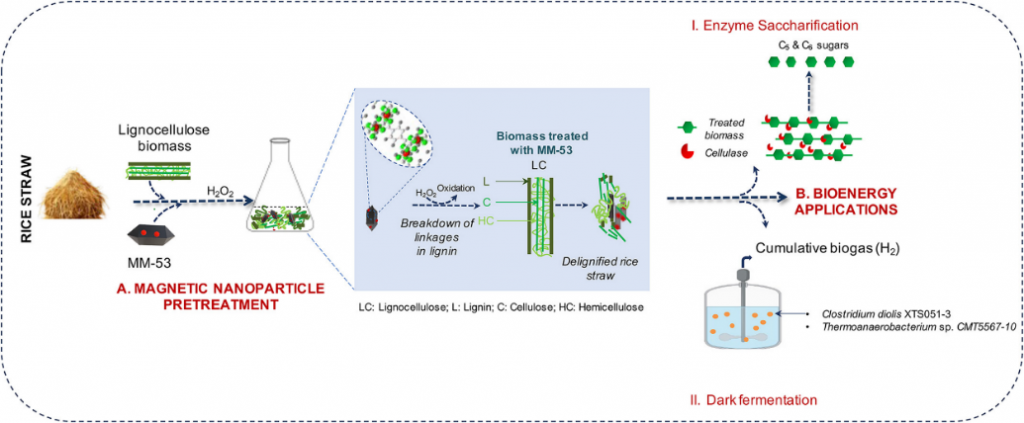
- In this recent study, “Investigation of MIL-53 (Fe)@Fe₃O₄ Nanocomposites as Sustainable Catalysts for Lignocellulose Delignification in Rice Straw for Biofuel Applications” published in Bioresource Technology Reports,32, 2025, 102364, https://doi.org/10.1016/j.biteb.2025.102364, Dr. Arpita Nandy and her team introduced magnetized metal-organic framework (MOF) based MM-53 as a novel approach for lignocellulosic biomass pretreatment. The results were comparable to that of conventional alkali pretreatment methods. MM-53-treated RS was further tested for biohydrogen production using fermentative bacterial cultures under mesophilic (37 °C) and thermophilic (50 °C) conditions. These results demonstrate the bioprocess’s potential as eco-friendly alternative to conventional chemical methods.
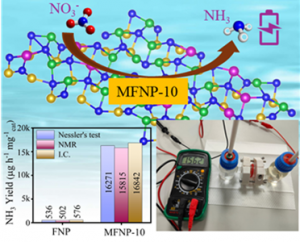
- In a recent paper published by Bharati Debnath with Dr. Amreen Bano and their research group in Small (2025, 10.1002/smll.202513455) entitled “Upcycling Nitrate Waste into Power: Designing Mo-Incorporated Ni–Fe-Based Phosphide Nanosheets for Electrocatalytic Green Ammonia Synthesis and Zn–Nitrate Batteries”, the authors reported Mo-incorporated FeNiP nanosheet electrocatalysts for highly efficient nitrate-to-ammonia conversion under neutral conditions. The optimized MFNP-10 catalyst delivered an ammonia yield rate of 16,271.27 µg.h-1.mgcat-1 with a Faradaic efficiency of 96.45% at −0.6 V vs. RHE. In situ ATR-FTIR and machine learning-assisted DFT confirmed enhanced nitrate adsorption and reduced activation barriers induced by Mo incorporation, while integration into a Zn-nitrate battery achieved a peak power density of 9.73 mW.cm-2, demonstrating simultaneous energy generation and sustainable ammonia production
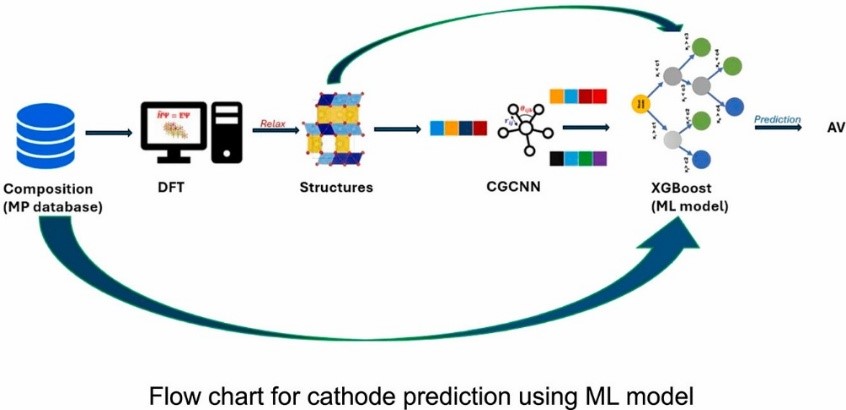
- In a recent publication in Materials Today Physics (2025, 51, 101634), Tanmoy Paul and his team members have successfully demonstrated the applicability of both supervised ML models and Graph based NNs to predict new compounds that will have potential applications in Na-ion batteries. Both physical and electronic descriptors of elements for each compound are utilized for ML model training. Seven novel quaternaries (Na0.67TM0.5TM0.5O2namely Na0.67Ti0.5Fe0.5O2) and similar kind of cathodes have been identified in this work.
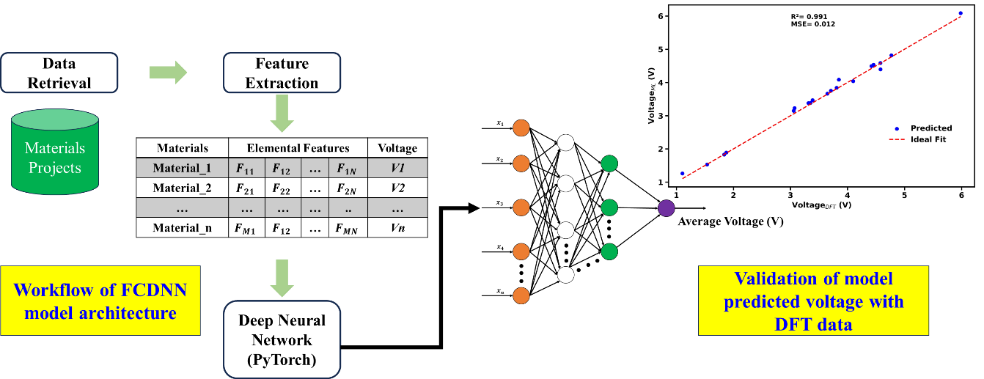
- In this recent study, “Integrating Density Functional Theory with Deep Neural Networks for Accurate Voltage Prediction in Alkali-Metal-Ion Battery Materials”, accepted in Small Methods (2025), G. P. Das contributed with his theoretical expertise. The work combines high‑throughput data, machine learning, and selective DFT checks to establish an efficient “screen‑then‑validate” workflow for cathode discovery. A deep neural network trained on 4,300 battery materials predicts the average voltage of new compounds within seconds, achieving a mean absolute error of just 0.24 V, thereby significantly reducing the time and cost of identifying viable alkali‑metal‑ion battery materials.
- In this recent review, “Key Anodic Interfacial Phenomena and their Control in Next‐Generation Lithium and Sodium Metal Batteries”, published in Small (2025, 21(8), 2410167), Kingshuk Roy, Dr. Manas K. Bhunia, Dr. Abhik Banerjee, Dr. Bidisa Das, and Prof. Satishchandra Ogale contributed their expertise. The review provides a mechanistic perspective on nucleation physics, solid electrolyte interphase (SEI) evolution, and transport processes governing the stability of lithium and sodium metal anodes. It emphasizes strategies for controlled interphase formation, offering guidance for advancing next‑generation Li/Na metal battery technologies.

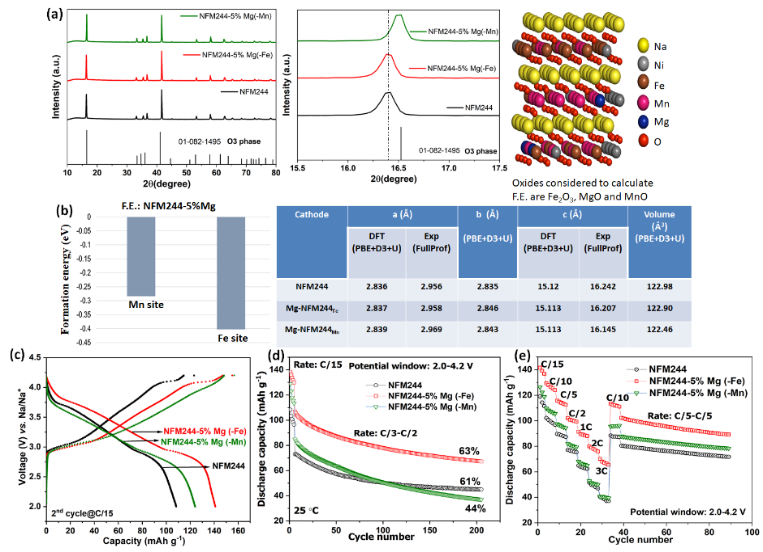
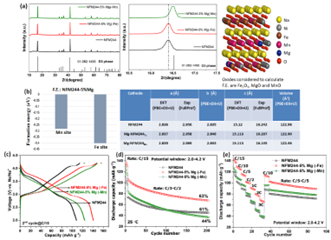
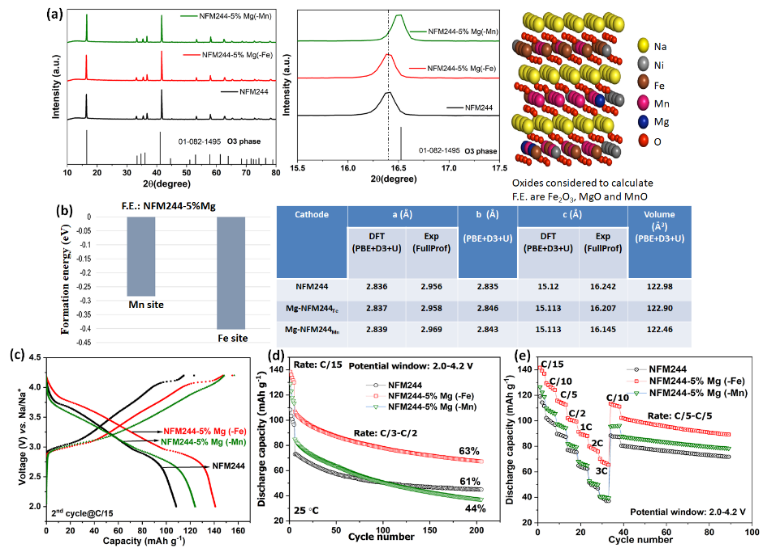
9. In this collaborative effort from experiment and computational analysis “Mitigating Structural Degradation in O3-Layered Sodium-ion Cathodes: Insights from Mg Doping in NaNi2Fe0.4Mn0.4O2”, recently published in Adv. Energy Mater. (2025), https://doi.org/10.1002/aenm.202503573, Dr. Amreen Bano lead the computational analysis to determine the optimum doping concentration of Mg in O3-type NaNi0.2Fe0.4Mn0.4O2 cathode. Out of several concentrations (1%, 3%, 5%, 10%) 5% Mg doping was found to improve the electrochemical performance of the battery.
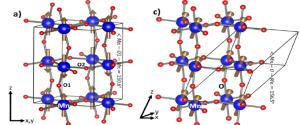
- In this recent study, “A Comparative First-Principles Magnetic Ground States Study in Pristine and Reduced LaMnO₃₋ₓ (0.0 ≤ x ≤ 0.04): Role of Magnetic Quasi-Particles”, published in Applied Physics A (2025, 131, 919), G. P. Das and his co-authors addressed the long‑standing challenge of identifying the correct magnetic ground states of strongly correlated LaMnO₃ in both orthorhombic (o‑LMO) and rhombohedral (r‑LMO) structures. Using DFT+U with on‑site Hubbard corrections applied not only to metal sites but also to non‑metals, the study revealed the critical role of magnetic quasi‑particles. The analysis further explored how Jahn–Teller distortions, super‑exchange, and double‑exchange mechanisms govern the magnetic behavior of these manganites.
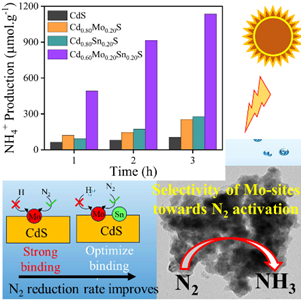
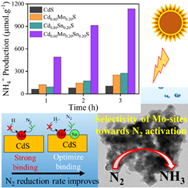
- In a recent paper by Dr. Bharati Debnath and her research group published in Journal of Materials Chemistry A (2025, 13, 13145–13156) entitled “Synergistic effect of Mo and Sn in a quaternary metal sulphide to activate N2 adsorption for selective solar-driven ammonia production”, the authors reported a quaternary metal sulphide photocatalyst (Cd1-2xMoxSnxS) for efficient ammonia synthesis under ambient conditions. The optimized Cd60Mo0.20Sn0.20S composition achieved an ammonia production rate of 521.29 µmol g−1 h−1, an approximately eightfold improvement over pristine CdS. Experimental and theoretical studies established Mo as the primary N2 activation site and Sn as a selectivity promoter, accounting for the enhanced performance and stability.
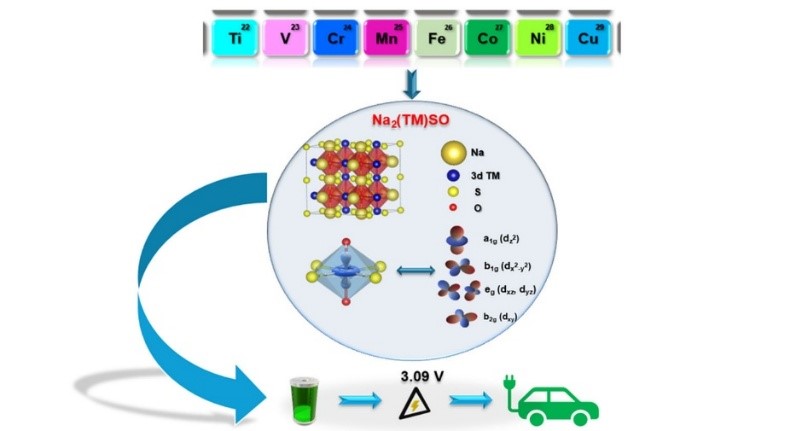
- In a recent publication in ACS Applied Energy Materials (2025, 8 (19), 14363) Tanmoy Paul and his team members have studied theoretically Na-rich Antiperovskites (namely Na2TMSO (TM = 3d transition metals)) as cathode material for sodium-ion batteries. They have shown that except for Na2FeSO and Na2CuSO—all compounds exhibit high formation energies above the convex hull (EHull), indicating metastability at 0 K. It has been reported that upon desodiation, structural stability diminishes, particularly for Na2MnSO and Na2FeSO. Cell voltages, calculated for desodiation of 37.5 % are within 3.5 V vs Na/Na+.
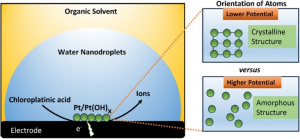
13. In a recent study, “Tuning Nanoparticle Microstructure through Nanodroplet‐Mediated Electrodeposition: Applications to PtCu Alloy Nanoparticle Synthesis and Electrocatalysis”, published in Electroanalysis, 2025, 37(4), e12043, DOI: 10.1002/elan.12043, Kingshuk Roy and his team with collaborators uses nanodroplet-mediated electrodeposition to control PtCu alloy nanoparticle microstructure. The tunability enables enhanced catalytic performance and mechanistic insights into nanoscale synthesis.
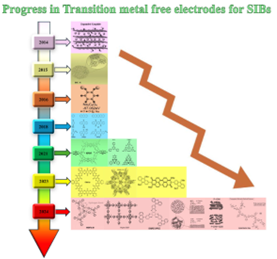
14. In this recent review, “Transition‐Metal‐Free Electrodes for Rechargeable Sodium‐Ion Batteries: A Path towards Sustainable Energy Storage”, published in Small (2025, 21(34), 2504826), Manas K. Bhunia and Prof. Satishchandra Ogale, together with their team, contributed expertise in advancing sustainable sodium‑ion battery technologies. The review emphasizes transition‑metal‑free electrodes, outlining their design principles, synthesis strategies, and applications as both cathodes and anodes. It surveys recent progress in organic and carbonaceous materials, identifies persisting challenges, and proposes pragmatic strategies to enhance performance and sustainability in next‑generation rechargeable batteries.
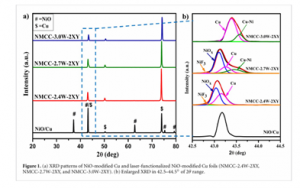
15. In this recent study, “Microgradient Patterned NiO Coating on Copper Current Collector for Anode-Free Lithium Metal Battery”, published in Progress in Energy (2025, 7(4), 045003), Satishchandra Ogale and his team contributed experimental expertise. The work explored CO₂ laser‑processed integrative NiO coatings on Cu current collectors for anode‑free lithium metal battery applications. This direct‑write, energy‑efficient process created in‑plane microgradient patterns that facilitated sustainable Li plating/stripping cycles by improving lithium flux uniformity, wetting control, and charge transfer kinetics. Li⁺ transport investigations revealed enhanced desolvation and reduced activation barriers (50.13 kJ mol⁻¹ vs. 60.53 kJ mol⁻¹ for bare Cu). The patterned NiO coating also enabled uniform lateral diffusion, increasing exchange current density (1.592 mA cm⁻² vs. 0.716 mA cm⁻² for bare Cu), suppressing dendrite formation, and extending cycling stability to 400 cycles at 300 K and 700 cycles at 40 °C, compared to only 150 cycles for bare Cu.
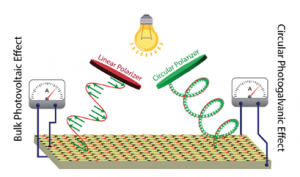
16. In this recent study, “Large Circular Photogalvanic Effect in Non-Centrosymmetric Magnetic Weyl Semimetal CeAlSi”, published in Physical Review B (2025, 111, 195105), G. P. Das and his collaborators, computationally investigated nonlinear photocurrents in CeAlSi induced by both linearly and circularly polarized light. A significant injection current of 1.2 mA/V² was identified across a broad near‑infrared range, surpassing previously reported values. Furthermore, applying uniaxial strain along the c‑axis produced a remarkable 64% increase in injection current, revealing novel photogalvanic application possibilities for strained Weyl semimetals.
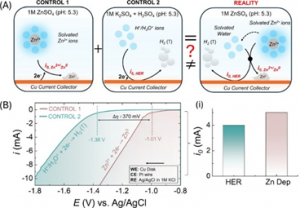
- In this recent study, “Beyond the Artifact: In Situ Quantification of True HER Kinetics During Zn Electrodeposition in Aqueous Zinc Metal Batteries”, published in Advanced Energy Materials (2025, 15:41, e03155),/10.1002/aenm.202 https://doi.org503155, the work was led by Kingshuk Roy with experimental expertise while Dr. Amreen Bano contributed computational expertise, with modelling and analysis. The study introduces that directly quant a novel framework for hydrogen evolution reaction (HER) kinetics under realistic conditions, overcoming limitations of conventional zinc electrodeposition decoupled measurements. By integrating real‑time H₂ detection through EC‑MS with electrochemical data, the method captures true coupled, providing accurate reaction dynamics kinetic insight into how HER compete. Computational analysis supported these findings, enabling data‑driven screenings with Zn deposition of current collectors and additives, and design of more stable guiding the rational aqueous zinc metal battery systems.
- In a recent paper by Dr. Bharati Debnath and her research group published in Journal of Materials Chemistry A (2025, 13, 13145–13156) entitled “Synergistic effect of Mo and Sn in a quaternary metal sulphide to activate N2 adsorption for selective solar-driven ammonia production”, the authors reported a quaternary metal sulphide photocatalyst (Cd1-2xMoxSnxS) for efficient ammonia synthesis under ambient conditions. The optimized Cd60Mo0.20Sn0.20S composition achieved an ammonia production rate of 521.29 µmol g−1 h−1, an approximately eightfold improvement over pristine CdS. Experimental and theoretical studies established Mo as the primary N2 activation site and Sn as a selectivity promoter, accounting for the enhanced performance and stability.
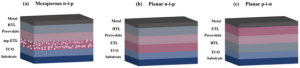
- In this recent review, “Architectural Innovations in Perovskite Solar Cells”, published in Small (2025, 21(15), 2411355), Satishchandra Ogale and his team contributed experimental expertise. The article surveys targeted architectural innovations in mixed‑halide perovskite solar cells (MH‑PSCs) to overcome limitations of conventional glass‑based PSCs, such as scalability, weight, and rigidity. Four advanced architectures—Interdigitated Back Contact (IBC), Lateral Configuration (LC), Fiber‑Shaped (FS), and Substrate‑Configuration (SC)—are reviewed for their potential to deliver enhanced efficiency, flexibility, lightweight design, and application‑specific integration. The study emphasizes precise engineering of each layer to ensure compatibility, efficient charge transport, durability, and scalability, while identifying key challenges and outlining directions for future R&D in wearable electronics, building‑integrated photovoltaics (BIPVs), and e‑mobility applications.

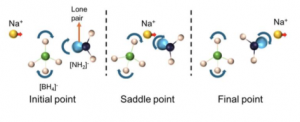
- In this recent study, “Lone-Pair Driven Na-Ion Diffusion Leading to Highly Conductive Na₂(BH₄)(NH₂) Phases”, published in ACS Applied Energy Materials (2025, 8(4), 2126), G. P. Das and his co‑authors contributed theoretical and computational expertise. The work highlights the mechanism behind enhanced ionic conductivity in Na‑borohydride based solid‑state electrolytes, Na₂(BH₄)(NH₂), which have been experimentally demonstrated to exhibit Na⁺ conductivity on the order of 10⁻⁴ S cm⁻¹ at 90 °C due to naturally occurring vacant sites in their antiperovskite α‑phase structure. The study revealed that Na⁺ diffusion proceeds via a double paddle‑wheel mechanism involving both [BH₄]⁻ and [NH₂]⁻ units, with the nitrogen lone pairs of [NH₂]⁻ playing a crucial role in minimizing energy barriers and enabling fast Na⁺ transport.

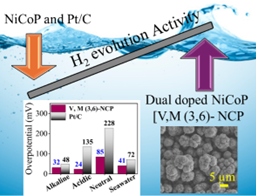
- In a recent paper published by Bharati Debnath and her research group in Small (2025, 21, 2503368) entitled “Tunable Charge Distribution in Self-Supported NiCoP through V and Mo Incorporation for Efficient Hydrogen Evolution in all pH Ranges and Alkaline Seawater”, the authors reported a dual-metal-doped NiCoP electrocatalyst for efficient hydrogen evolution across all pH regimes and in alkaline seawater. The optimized V, M (3,6)-NCP catalyst achieved low overpotentials of 24 mV (acidic), 32 mV (alkaline), and 85 mV (neutral) media at 10 mA cm-2, and delivered superior activity in alkaline seawater with only 41 mV overpotential.
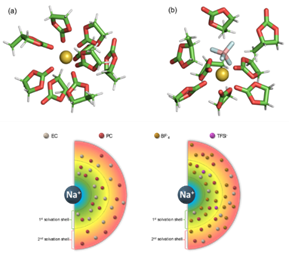
- In this recent study, “Tuning Interphase Composition in Sodium-Ion Batteries via Co-Solvent Selection and Anion-Driven Solvation Shell Engineering”, accepted in Small Methods (2025, e01563), https://doi.org/10.1002/aenm.202503573, Amreen Bano, along with the experimental team, explored computationally how co-solvent selection and anion-driven solvation shell engineering influence interphase formation in sodium-ion batteries. The computational insights revealed that low-viscosity, weakly solvating carbonates (DMC and DEC) facilitate the incorporation of both salt and additive anions (PF6−, BF4−, TFSI−) into the primary solvation shell. This mechanism promotes the development of anion-rich, ion-conducting interphases on hard carbon anodes, enhancing initial coulombic efficiency and rate performance, while also supporting inorganic-rich cathode electrolyte interphases on titanium-doped sodium nickel manganese oxide cathodes.
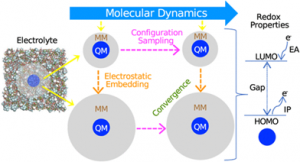
- In this recent study, “Predicting Electrolyte Redox Potential Trends through Long-Range Electrostatics and Configuration Ensembles: Insights from MD and QM/MM Simulations”, published in Journal of Chemical Theory and Computation (2025) https://doi.org/10.1021/acs.jctc.5c01297, Amreen Bano, together with the experimental and theoretical team, explored computationally the oxidative and reductive stability trends of electrolyte species. The work demonstrates, for the first time, how long-range electrostatics and configuration ensembles can be captured to predict realistic redox behavior. Computational insights revealed that while vertical ionization potential (IP) and electron affinity (EA) values correlate with HOMO–LUMO energies, structural relaxation of oxidized and reduced species weakens this correlation—particularly for organic carbonates upon reduction—underscoring the limitations of the simple HOMO–LUMO picture and the importance of accounting for geometric relaxation in redox predictions.
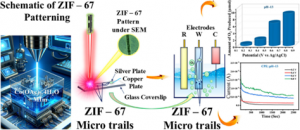
- In this recent study, “Revisiting Water Oxidation Reaction with Micro Bubble Lithography (MBL) Printed ZIF‑67 MOF Electrocatalysts”, published in Small Methods (2025, 9(8), 2401627), Abhik Banerjee and co‑authors demonstrated a green, in situ synthesis and micro‑patterning of ZIF‑67 MOFs using Micro‑Bubble Lithography. The patterned ZIF‑67 structures, composed of Co²⁺ ions and imidazolate ligands, exhibited reasonable stability and an overpotential of 440 mV, serving as efficient microelectrodes for the oxygen evolution reaction (OER) across different pH conditions. This work highlights the potential of MBL‑fabricated MOFs as scalable, lab‑on‑a‑chip electrocatalytic platforms.
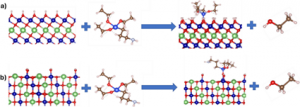
- In this recent study, “LixSiyOz coating for LiCoO2 cathode material using atomic layer deposition (ALD)”, published in Journal of Solid State Electrochemistry (2025), https://doi.org/10.1007/s10008-025-06399-7, Amreen Bano, together with the experimental team, explored computationally the atomic‑level growth mechanism of LixSiyOz coatings during ALD. Density functional theory (DFT) simulations revealed that the APTES precursor binds strongly and covalently to the LiCoO2 surface through a thermodynamically favorable step, enabling subsequent oxidation reactions and uniform coating formation. These computational insights clarify the initiation chemistry of the coating process and support the experimentally observed enhancement in LiCoO2 cathode performance.
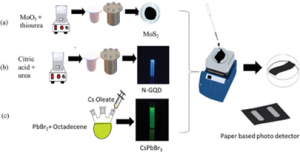
- In this recent study, “A Paper‐Based Robust Hybrid Photodetector Based on the 2D/0D/0D MoS₂/N‐GQD/CsPbBr₃ Triple Junction”, published in Advanced Materials Technologies (2025, 10(9), 2401868), Satishchandra Ogale and his team contributed experimental expertise. The work developed a novel paper‑based hybrid photodetector featuring a MoS₂/N‑doped graphene quantum dot (N‑GQD)/CsPbBr₃ quantum dot triple junction, fabricated entirely through cost‑effective and scalable solution‑based methods. Incorporation of N‑GQDs as an intermediate layer between MoS₂ nanoflowers and CsPbBr₃ QDs significantly enhanced carrier transport and separation, resulting in outstanding device performance. Characterization by XRD, SEM, TEM, UV–vis, PL, and UPS confirmed the structural and electronic features. The photodetector achieved a responsivity of 0.458 A W⁻¹ and a specific detectivity of 3.28 × 10¹¹ Jones, underscoring the originality of the triple‑junction design and its promise as a versatile, economical platform for flexible, large‑area photodetectors in wearable optoelectronics and photo‑communication technologies.
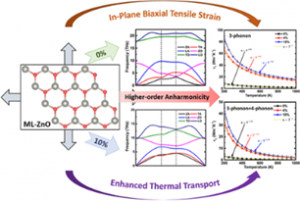
- In this recent study, “Unraveling the Curious Tensile Strain-Induced Enhancement in the Lattice Thermal Transport of Monolayer ZnO: A First-Principles Study”, published in ACS Applied Materials & Interfaces (2025, 17(30), 43786), G. P. Das and his co‑authors reported a dramatic increase in in‑plane lattice thermal conductivity of monolayer ZnO under biaxial tensile strain. This enhancement is attributed to unusually strong four‑phonon scattering, arising from pronounced anharmonicity, quadratic ZA mode dispersion, a large phonon frequency gap, and reflection symmetry‑induced selection rules. These findings provide new mechanistic insights into strain‑engineered thermal transport in two‑dimensional materials.
28. In this recent study, “Interfacial pH Gradients Suppress HER at High Currents in Zinc Metal Batteries”, published in Joule (2025, 9, 102167), Kingshuk Roy and collaborators contributed experimental expertise. The work employed operando pH mapping to reveal that steep interfacial pH gradients naturally suppress hydrogen evolution reaction (HER) at high current densities. This discovery uncovers an intrinsic stabilizing mechanism that is highly relevant for the design of high‑rate aqueous zinc batteries, offering new insights into interfacial chemistry and strategies for improving system stability under demanding operating conditions.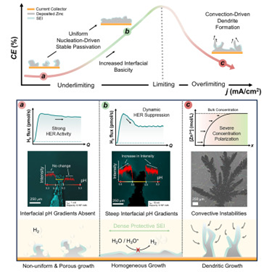
29. In this recently accpeted publication, “Role of NaF in Attenuating Interfacial Instability of Lithium Metal Anode: A Strategy to Modulate SEI for Enabling Dendrite Free Lithium Metal Batteries”, in Small (2025), along with experimental efforts from Dr. Rosy and her team, computational analysis lead by Amreen Bano, where it has been demonstrated that a simple NaF modification of lithium metal anodes to stabilize the solid electrolyte interphase (SEI). The NaF layer suppresses dendrite growth and electrolyte decomposition, enabling >500 stable cycles in Li|Li cells. Post-mortem analyses confirm smooth, dendrite-free surfaces, while XPS, DFT, and MD simulations reveal a robust SEI that promotes favorable Li⁺ transport. The strategy also improves LCO cathode performance, highlighting its practical utility for stable lithium-metal batteries.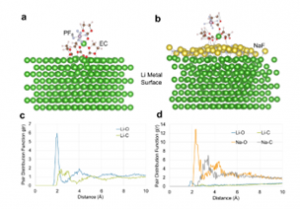
30. In this recent study, “An Electroanalytical Perspective on the Competitive Interplay between Zinc Deposition and Hydrogen Evolution Reaction in Aqueous Zinc Metal Batteries”, published in Advanced Energy Materials (2025, DOI: 10.1002/aenm.202503630), Kingshuk Roy and collaborators established a unified electroanalytical framework to describe the competitive mechanisms between zinc deposition and the hydrogen evolution reaction (HER). By introducing quantitative descriptors, the study enables systematic evaluation of electrolytes and electrode interfaces, offering valuable guidance for the rational design of more stable and efficient aqueous zinc metal battery systems.
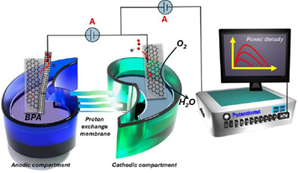
- In this recent study, “Single-Atomic Ni-N4 Biofuel Cell for Mimicking Intramolecular Electron-Harnessing of Laccase”, published in Angewandte Chemie International Edition (2025, e202511892), https://doi.org/10.1002/anie.202511892, Amreen Bano and her team contributed computational insights through machine learning molecular dynamics (ML‑MD) simulations. The simulations revealed non‑covalent interactions, including hydrogen bonding between the O‑hydroxyl of BPA and the N of the Ni–N4–PAN–NC, along with weak van der Waals forces and π–π stacking between aromatic rings. These findings suggest preferential adsorption on the Ni–N4–PAN–NC surface, providing mechanistic clarity that complements the experimental demonstration of biofuel cell performance.
- In this recent study, “Effect of the Cation Sublattice Configuration on Li Ion Dynamics for the Spinel Li–Mg–Al–Cl System”, published in ACS Energy Letters (2025), https://doi.org/10.1021/acsenergylett.5c02238, led by Abhik Banerjee and his team in collaboration with Dr. Amreen Bano revealed that while Al³⁺ doping in Li₂MgCl₄ introduces vacancies and disorder to enhance ionic conductivity, Mg²⁺ migration from the 16d to 16c site creates blocking effects that hinder long‑range Li⁺ diffusion. These findings explain why spinel halide solid electrolytes still lag behind layered systems and guide the computational design of next‑generation, high‑conductivity halide electrolytes.
- In this recent study, “Fe-Single-Atom Incorporated Wood-Derived Anode with Fe-N-C/Fe3C Structural Unit and Hollow Diffusion Sites for Enhanced Sodium-Ion Storage”, published in Small (2025, 21:41, e07064), https://doi.org/10.1002/smll.202507064, Amreen Bano and her team provided computational insights into sodium-ion storage mechanisms. Theoretical calculations of Na⁺ migration energies revealed accelerated diffusion through hollow sites and Fe–N bond stretching during cycling, complementing electrochemical analyses that confirmed reversible Na⁺ conversion and optimized kinetics. These findings explain the enhanced performance of the Fe–N4–O2/Fe3C wood-derived nanoporous carbon anode, which delivers 318 mAh g⁻¹ at 50 mA g⁻¹, and guide the design of advanced sodium-ion battery anodes.
- In this recent review “Probing Battery Interfaces and Interphases with Microelectrodes: Spatially and Temporally Resolved Single-Entity Measurements”, published in Advanced Energy Materials, DOI: 10.1002/aenm.202504512, 2025, Dr. Kingshuk Roy with his team and collaborators, provided details on microelectrode-based strategies for resolving interfacial kinetics with high spatial and temporal resolution. It highlights nucleation dynamics, reaction heterogeneity, and interphase evolution in modern batteries.
- In this recent study, “Cationic Covalent Organic Framework for Photocatalytic Defluorinative Amination of Fluoroarenes”, published in Angewandte Chemie International Edition (2025, e16235), Abhik Banerjee and collaborators reported a post‑synthetic methylation strategy to transform a bipyridine‑based COF (Tp‑Bpy) into a dicationic, electron‑deficient framework (Tp‑Bpy‑Me). This modification preserved crystallinity while shifting the valence band, enabling activation of the inert C–F bond under visible light. The cationic COF efficiently catalyzed defluorinative C–N bond formation across diverse substrates, even under natural sunlight, marking the first demonstration of C–F bond activation using a COF‑based photocatalyst.
- In this recent study, “Theoretical Study on High-Entropy Oxyfluoride Cathodes for Sodium-Ion Batteries”, published in ACS Applied Energy Materials (2025, 8(9), 5708–5720), https://doi.org/10.1021/acsaem.5c00035, Amreen Bano along with the leading author, provided computational insights into the atomic‑scale behavior of high‑entropy oxyfluoride cathodes. Using Monte Carlo simulated annealing, classical force fields, and density functional theory (DFT), the study unraveled structural, thermodynamic, and redox characteristics of NaxLi1–xMO1.9F0.1 (M = Ni, Fe, Mn, Ti, Mg; x = 1.0, 0.9, 0.8). The simulations revealed that the Na0.9 composition offers superior performance due to minimal lattice distortion, improved electronic conductivity, balanced transition‑metal redox, strong M–O bonding, and reduced unfavorable cation exchange, providing mechanistic clarity for the design of next‑generation sodium‑ion cathodes.
- In this recent study, “Amide Additives Enhance the Understanding of Kinetic Reversibility in Zinc Anode Stability Using Ultramicroelectrodes”, published in Chemical Science (2025, DOI: 10.1039/D5SC06311F), Abhik Banerjee contributed experimental expertise while Dr. Bidisa Das and her team provided computational insights along with other collaborators. The work demonstrates how trace amide additives influence zinc anode stability in aqueous zinc metal batteries by modifying solvation, adsorption, and plating behavior. Fast‑scan voltammetry on ultramicroelectrodes revealed that additives affect exchange current density and introduce “kinetic reversibility” as a new metric for evaluating anode stability. Supported by density functional theory and validated through cycling and morphological studies, this study offers mechanistic insight and establishes kinetic reversibility as a valuable design criterion for stable zinc metal anodes.
- In this recent study, “Doping Strategies in Ni-Rich NCM Cathode Materials for Next-Generation Li-Ion Batteries: A Systematic Computational Study”, published in ACS Applied Energy Materials (2025, 8(14), 10445–10457), https://doi.org/10.1021/acsaem.5c01325, Amreen Bano (equal author) contributed computational insights using first‑principles DFT and force‑field methods. The study systematically examined eight dopants in LiNi₀.₈₅Co₀.₁₀Mn₀.₀₅O₂, revealing their atomic‑scale effects across charge states. The simulations showed that most dopants strengthen metal–oxygen bonding, reduce Ni³⁺ content, and enhance both bulk and surface robustness, thereby mitigating crack formation during cycling. These findings provide design guidelines for developing durable, high‑energy Ni‑rich cathodes for next‑generation Li‑ion batteries.
- In this recent study, “A Thiazole‑Linked Dithiophenedione‑Functionalized Covalent Organic Framework for Photocatalytic Oxidative Dehydrogenation Reactions”, published in Chemistry of Materials (2025, 37(21), 8775–8786), Abhik Banerjee and collaborators developed a metal‑free covalent organic framework (Th‑DHTD) as a photocatalyst for oxidative dehydrogenative coupling at room temperature. The post‑synthetic incorporation of thiazole linkages enhanced porosity, stability, and photocatalytic efficiency, enabling high‑yield heterocycle synthesis under visible light with very low catalyst loading and excellent recyclability.
- In this recent article, “Exploring Water Restriction in the Inner Helmholtz Plane for Enhanced Zinc Anode Protection Through Fast Scan Voltammetry with Ultra Micro Electrodes” accepted in ACS Electrochemistry, 2025, by Kingshuk Roy and his co-authors uses fast‑scan voltammetry with ultramicroelectrodes to probe water restriction at the inner Helmholtz plane. It identifies rapid interfacial screening that suppresses parasitic reactions, offering a mechanistic route for stabilizing Zn anodes.
- In this book chapter, “Strain Engineering to Improve the Thermoelectric Performance of Two-Dimensional Transition Metal Dichalcogenides”, published in Low Dimensional Materials, Systems, and Applications (Elsevier, Volume 1, Chapter 20, 2025), G. P. Das and his co‑authors contributed theoretical and computational expertise. The restricted review highlights the role of in‑plane strain (hydrostatic pressure induced) as an efficient strategy to enhance the thermoelectric figure of merit (ZT) of monolayer MoS₂, a representative 2D TMDC, across a wide range of temperatures and doping concentrations. The improvement, most pronounced along the zig‑zag (ZZ) direction, is attributed to a significant reduction in lattice thermal conductivity (κL) and enhancement in charge carrier mobility (μ). These insights underscore strain engineering as a powerful tool for optimizing thermoelectric performance in low‑dimensional materials.
- In this recent study, “Earth‑Abundant 3d‑Transition Metal Metasilicates as Effective Electrocatalysts for Alkaline HER: CuZnSiO₃ Outperforms CuSiO₃ and ZnSiO₃”, published in ChemSusChem (2025, 18(9), e202402043), Satishchandra Ogale and his team contributed experimental expertise, while Dr. Bidisa Das and her group provided computational insights. The study shows CuZnSiO₃, composed of earth‑abundant elements, delivers superior HER activity (η = 151 mV at 10 mA cm⁻²) and stability comparable to Pt/C, with DFT analysis explaining its performance advantage over CuSiO₃ and ZnSiO₃.
- In this leading‑author study, “Multidopant Induced Entropy Effect on TiS2/TiSe2-Based Layered Anode and Formation of Electrode–Electrolyte Interphase”, published in Batteries & Supercaps (2025), https://doi.org/10.1002/batt.202500299, Amreen Bano provided computational insights into entropy‑driven design of layered anodes. Using density functional theory (DFT) and ab‑initio molecular dynamics (AIMD), the work demonstrated that introducing a multidopant “close‑to‑high entropy” state in TiS₂/TiSe₂ heterostructures (via Mo⁵⁺ and Al³⁺ doping) enhances structural stability, accelerates Li‑ion diffusion, and broadens the operational voltage window. These findings establish entropy engineering as a promising strategy for developing high‑performance Li‑ion battery anodes.
- In this recent study, “Solid-State Lithium Metal Batteries with Improved Performance via Polymer Electrolyte Interface Modification”, published in ACS Applied Materials & Interfaces (2025, 17(44), 60568–60579), Abhik Banerjee and collaborators demonstrated lithium metal surface modifications that form a stable solid electrolyte interface (SEI). Using polymer electrolyte films and hot pressing in air, the SEI composed of LiF and defective graphene enabled cycling at high current densities with remarkable stability. The modified lithium anode achieved >1000 cycles in Li|Li cells and >200 cycles in Li||NMC cells, with a high Li⁺ transference number. The fluorinated graphite polymer film also imparted air stability and fire resistance, opening pathways for safer, cost‑effective ambient assembly of high‑performance lithium metal batteries.
- In this recent study, “A Dimolybdenum Paddlewheel Embedded Covalent Organic Framework for Photocatalytic Hydrogen Peroxide Generation”, published in Small (2025): 2501823, Abhik Banerjee and collaborators reported the design of a novel Mo‑DHTA COF for sustainable H₂O₂ production. The embedded dimolybdenum paddlewheel units facilitate oxygen binding, while the α‑hydroquinone moiety enables efficient photoelectron transfer for oxygen reduction. Synergistic effects between Mo sites and the COF backbone delivered high H₂O₂ yields, with production rates of 626 µmol g⁻¹ h⁻¹ in aqueous ethanol and 4084 µmol g⁻¹ h⁻¹ in aqueous benzyl alcohol, outperforming the polymeric counterpart. This work highlights the promise of metal‑embedded COFs for advanced photocatalytic applications in clean energy and chemical synthesis.
- In a recent publication in Nature Communications (2025, 16 (1), 4767) involving researchers Ambar Banerjee from TCG Centres for Research and Education in Science and Technology, Stanford PULSE Institute, LCLS and Stanford University, Pacific Northwest National Laboratory; Brown University; Western Connecticut State University; and Stockholm University, Sweden, ultrafast X-rays from the Linac Coherent Light Source (LCLS) along with excited state dynamics simulations, was used to reveal the atomic motions on a timescale of femtoseconds, millionths of a billionth of a second after photo-excitation. The development of such techniques can provide unprecedented insights into the ultrafast atomic motions in complex photo-catalysts.

47. In a recent paper published in SMALL 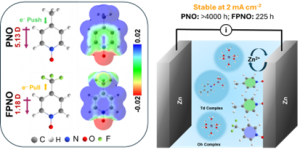 (doi.org/10.1002/smll.202404752) on the ‘Modulation of Electron Push–Pull by Redox Non–Innocent Additives for Long Cycle Life Zinc Anode‘, Arghyadip Manna, Souvik Pal, Bidisa Das*, Satishchandra Ogale*, and Manas K. Bhunia* investigates 4–methyl pyridine N–oxide (PNO) as a redox non–innocent additive that comprises a hydrophilic bipolar N+–O– ion pair as a coordinating ligand for Zn and a hydrophobic –CH3 group at the para position of the pyridine ring that reduces water activity at the EEI, thereby enhancing stability. The N+–O– moiety of PNO possesses the unique functionality of an efficient push electron donor and pull electron acceptor, thus maintaining the desired pH during charging/discharging. The electrolyte with 2M ZnSO4 + 15 mM PNO enables symmetric cell Zn plating/stripping for a remarkable > 10,000 h at 0.5 mA cm–2 and exhibits coulombic efficiency (CE) ~ 99.61% at 0.8 mA cm–2 in Zn/Cu asymmetric cell. This work showcases the immense interplay of the electron push–pull of the additives on the cycling.
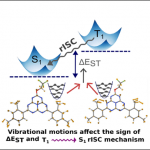 48. Another recent paper on ‘Reverse Intersystem Crossing Dynamics in Vibronically Modulated Inverted Singlet–Triplet Gap System: A Wigner Phase Space Study’, published in Journal of Physical Chemistry Letters (2024, 15, 30, 7603–7609 ) by Pijush Karak, Pradipta Manna, Ambar Banerjee,* Kenneth Ruud,* Swapan Chakrabarti* inspects the origin of the inverted singlet–triplet gap (INVEST) and slow change in the reverse intersystem crossing (rISC) rate with temperature. INVEST molecules are used in fabrication of OLED, which is expected to the form basis for energy efficient display devices. The author identify the importance of nuclear degrees of freedom for the INVEST phenomenon, and in this case, geometric puckering of the studied molecule determines INVEST and the associated rISC dynamics.
49. Dr. Arpita Nandy co-authors the editorial article of ‘Sustainability Science and Technology’, launched by IOP Science, titled “IOP journal sustainability science and technology (sus sci tech) in 2024 and beyond: equitable publishing aligned with United Nations’ sustainable development goals (SDGs)”.In this article, the focus areas of the journal are envisioned, and their integration with the SDGs are described. Arpita particularly outlined the scope of biotechnology towards attaining sustainability, by highlighting the key areas, such as wastewater management and re-use, biofuels, bioprocesses, carbon capture and storage. The thematic area particularly addresses the issues of Clean Water and Sanitation and Affordable and Clean Energy as part of the sustainable development goals (SDGs). The challenges associated with scalability, cost and reproducibility are also discussed. The authors conclude that successful application of biotechnology in the attainment of SDGs will need to find a harmony between fundamental research and their possible applications and integration with conventional techniques.
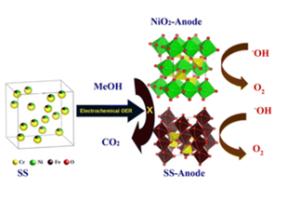 50. In a recent paper published in Catalysis Science and Technology (2024, 14, 8, 2268-2274), titled ‘Investigation of Electrocatalytic Oxygen Evolution Reaction (OER) Selectivity Against Methanol Oxidation on Stainless Steel,’ P. Esakki Karthik*, Luigi Sangaletti, Matteo Ferroni, and Ivano Alessandri examine the potential of stainless steel as an enhanced anode catalyst for electrochemical CO₂ reduction. Their research offers new insights into the use of stainless steel in electrocatalytic reactors, particularly for CO₂ reduction reactions.
51. Dr. Bidisa Das and her group in the recent computational study ‘Dimerization of Fe(III) Ion in an Aqueous Medium: Mechanistic Modelling and Effects of Ligands‘ published in ChemPhysChem (doi.org/10.1002/cphc.202400144) investigates the mechanistic pathway of dimerization of Fe(III) ions in aqueous 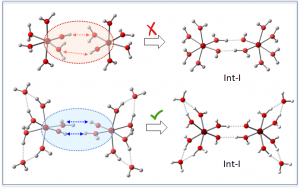 medium considering effects of other ligands using density functional theory (DFT) . Two hydrolyzed monomeric Fe(III) ions in aqueous medium may react to form two closely related binuclear products, the μ‐oxo and the dihydroxo Fe2 dimer. The studies indicate that the water molecules in the second coordination sphere and those co‐ordinated to the Fe(III) ion, both participate in the dimerization process. The proposed mechanism effectively explains the formation of dihydroxo and μ‐oxo Fe2 dimers with interconversion possibilities, for the first time. The calculated results shed light into mechanism of early aggregation of Fe(III) oxyhydroxide minerals found in soils and water bodies.
52. A collaborative research on ‘Structural Rearrangement Followed by Entrapment of Subnanometer Building Blocks of Iron Oxyhydroxide in Aqueous Iron Chloride Solutions‘ was published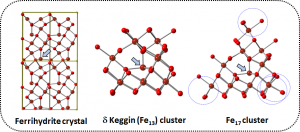 by Dr. Bidisa Das and her group along with Prof. S. Ray (and group) in Inorganic Chemistry (2024, 63, 16, 7255–7265) in which the structural building blocks of Fe(III) oxyhydroxide was experimentally studied. In this experimental study, large quantities of zinc acetate salt (ZA) was added into iron chloride solutions at the olation–oxolation boundary (3.6 mM Fe3+ at pH ∼2.6). Remarkably, this altered the structural arrangement of Fe(III) subnanometer clusters before blocking them in isolation for hours, even at pH 6, where extended iron oxyhydroxide phases typically precipitate. The theoretical study establishes the underlying mechanism by which the growth of larger Fe(III) nanoclusters could be blocked using Zn(II) ion, which adsorbs in few strategic positions.
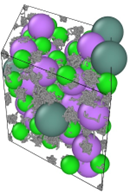
53. In this paper (which is a part of Indo-Swedish STINT Initiation grant) as published in J. Phys D. Appl. Phys. (57, 145503, 2024) titled “Optimizing solid electrolytes with 3d transition metal doped Li3YCl6 for Li-ion batteries”, Dr. Tanmoy Paul, Dr. Abhik Banerjee and Prof. G. P. Das and Prof. Biplab Sanyal have carried out computational investigations of the effect of doping of 3d transition metals on trigonal Li3YCl6 solid-electrolyte on structure and ionic conductivity. The authors have identified V and Co as candidate dopants in Li3YCl6 which could be possible alternative as solid-electrolyte for all solid state Li-ion batteries. The novelty of the work lies in the correlation of bond ionicity with that of ionic conductivity which has not been shown earlier for this kind of halide solid electrolytes.
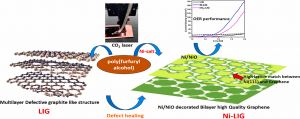 54. In another recent paper published in Carbon (228, 119275, 2024) on “Nickel catalysed and decorated CO2 laser induced graphene from bio-waste-derived thermoset polymer as a high-performance catalyst for oxygen evolution reaction”, Suparna Saha, Shweta Hiwase, Sukanta Mondal, Ashvini Deshmukh, Satishchandra Ogale investigates the biomass waste derivatives for CO2 laser-assisted graphitization and the role of nickel in the formation of graphite to graphene. The unique advantage of this nickel-catalysed laser pyrolysis is that uniformly graphitization of thermoset polymer that would otherwise yield hard carbons or a mixture of ordered/disordered carbon. During pyrolysis the engraved surface was decorated with a mixture of Ni/NiO that facilitated water dissociation as well as adsorption of water oxidation intermediates. Thus, single-step binder-free Ni/NiO decorated laser induced graphene electrode promotes excellent alkaline OER activity (overpotential 61 mV/dec at 10 mA/cm2 current density). This laser process is not only energetically highly economic vis a vis the conventional furnace processing, but its transient direct-write character also leads to unique materials constitutions that can have interesting property consequences

55. In the research published in the Journal CARBON (214, 118368, 2023) titled “Converting renewable saccharides to heteroatom doped porous carbons as supercapacitor electrodes”, Prof. Satishchandra Ogale, Srinivas Hotha and co-workers have performed a comparative study of heteroatom-based activated saccharide precursors to obtain functional carbons. They showed that activated chitin-derived carbon exhibited high surface area and desired heteroatom functionalities. Acid-base synergistic pre-treatment/activation resulted in an almost 10-fold enhancement in the surface area with multifaceted pore distribution, rendering enhanced charge storage. A dual effect of heteroatom functionalization and activation of saccharide precursors resulted in a high gravimetric capacitance of 172 F/g at 1 A/g in a symmetric two-electrode configuration of chitin polysaccharide samples with a power density of 5000 W/kg at 3.5 W h/kg. It showed capacity retention of up to 100% for over 10,000 cycles.
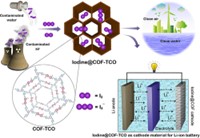 56. In a paper published in ACS Materials Letters (5, 2422-2430, 2023) titled “Covalent Organic Framework Featuring High Iodine Uptake for Li-Ion Battery: Unlocking the Potential of Hazardous Waste” Dr. Abhik Banerjee, Prof. Satishchandra Ogale and co-workers demonstrated a case study on simultaneous capture of hazardous waste and its concurrent utilization in a sustainable energy application. Thus a new cost-effective and scalable route was designed to synthesize a robust covalent organic framework (COF-TCO) that has been employed for iodine sequestration. The resulting adsorbent selectively captures over 98% of a trace amount of I3– from water with an excellent distribution coefficient (Kd ∼ 104 mL/g), revealing its strong affinity toward iodine. The high uptake capacity of 4.92 g/g was observed in the vapor phase, and efficient performance was achieved over a wide range of water systems, including potable water, lake water, river water, and seawater. Importantly, the iodine-captured COF-TCO was utilized for Li-ion battery applications, and it exhibited a modest specific capacity of 120 mAh/g, when tested against a lithium metal anode.
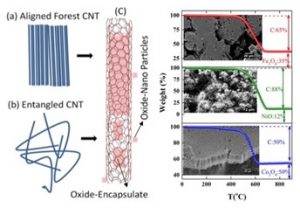 57. In a recently published paper in J. Phys. D Appl. Phys. 56, 425504, 2023 titled “Synthetically encapsulated & self-organized transition metal oxide nano-structures inside carbon nanotubes as robust: Li-ion battery anode materials” Prof. Satishchandra Ogale, Dr. Ashna Bajpai and co-workers examined the electrochemical performance of four different transition metal oxides encapsulated inside carbon nanotubes (oxides@CNT), along with reference data obtained on a bare-oxide. It was established that the encapsulation leads to superior cyclic stability, irrespective of the type of the oxide-encapsulate. Innovative use of camphor during sample synthesis was shown to enable precise control over the morphology of the filled CNT, which can either be in aligned-forest or in entangled geometry. The morphology appears to play a crucial role in tuning the magnitude of the specific capacity, whereas the encapsulation relates to the cyclic stability.
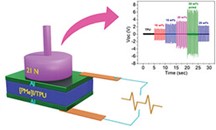 58. In a recent study reported in the journal SMALL (2300792, 2023) titled “Design and Piezoelectric Energy Harvesting Properties of a Ferroelectric Cyclophosphazene Salt” Prof. Satishchandra Ogale, Prof. R. Boomishankar and co-workers reported for the first time the synthesis and energy application of an organophosphazene-based supramolecular ferroelectric [(PhCH2NH)6P3N3Me]I, [PMe]I which crystallizes in the polar space group Pc, with its thin-film sample exhibiting remnant polarization of 5 μC cm−2. Flexible composites of [PMe]I were fabricated for piezoelectric energy harvesting applications using thermoplastic polyurethane (TPU) as the matrix. The highest open-circuit voltages of 13.7 V and the maximum power density of 34.60 μW cm−2 were recorded for the poled 20 wt.% [PMe]I/TPU device.
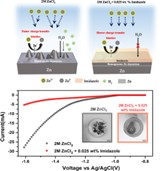 59. In a recent paper published in ACS Appl. Mater. Interfaces (15, 23093-23103, 2023) titled “Mitigating Dendrite Formation on a Zn Electrode in Aqueous Zinc Chloride by the Competitive Surface Chemistry of an Imidazole Additive” Mr. Ashutosh Rana, Dr. Bidisa Das, Prof. Satishchandra Ogale and Dr. Abhik Banerjee examined the role of imidazole as an electrolyte additive in 2 M ZnCl2 to prevent dendrite formation during zinc electrodeposition via experimental (kinetics and imaging) and theoretical density functional theory (DFT) studies. Towards this end, linear sweep voltammetry (LSV) and chronoamperometry (CA) were performed with in situ monitoring of the electrodeposited zinc. The addition of 0.025 wt % imidazole to 2 M ZnCl2 increases the cycle life of Zn-symmetric cells cycled at 1 mA/cm2 for 60 min of plating and stripping dramatically from 90 to 240 h. A higher value of the nucleation overpotential is noted in the presence of imidazole, which suggests that imidazole is adsorbed at a competitively faster rate on the surface of zinc, thereby suppressing the zinc electrodeposition kinetics and the formation. It was observed that the electrodeposition of zinc is more homogeneous in the presence of imidazole, and its presence in the electrolyte also inhibits the production of a passivating coating (ZnO) on the Zn surface, thereby preventing corrosion.
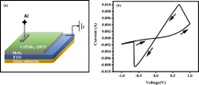 60. Resistive switching is considered a highly desirable energy saving memory storage scheme for the emergent data science and rapidly developing extensive computational framework. In a recent study reported in ACS Applied Electronic Materials (5, 1536-1545, 2023) titled “Resistive Switching in CsPbBr3 (0D)/MoS2 (2D) Heterojunction System: Trap-Controlled Space Charge Limited Transport Mechanism” Prof. Satishchandra Ogale, Dr. Tajashree Bhave and co-workers examined a 0D/2D interface system involving two materials of great current interest, namely, a halide perovskite CsPbBr3 (CPB QDs) (0D) and a 2D chalcogenide MoS2; their choice based on their favourable band alignment for the targeted application. Simple solution-based synthetic protocols rendered electronically active interface exhibiting an impressive and robust resistive switching characteristic with the ratio of resistances in high resistance state (HRS) and low resistance state (LRS) of ∼12 retained over 100 cycles for which tests were conducted without decay. The memristor functionality was shown to emanate from the trap-controlled space charge limited conduction (SCLC) mechanism.
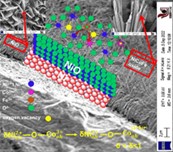 61. In a recent publication in J. Mater. Chem. A (11, 8972-8987, 2023) titled “Superior oxygen evolution reaction performance of NiCoFe spinel oxide nanowires in situ grown on β-Ni(OH)2 nanosheet-decorated Ni foam: case studies on stoichiometric and off-stoichiometric oxides” Prof. Satishchandra Ogale, Dr. Seema Verma and co-workers studied stoichiometric [NiCo(2−x)FexO4 (x=0.125, 0.25)] and Co-excess off-stoichiometric [Ni0.75Co(2.25−x)FexO4] NiCoFe spinel oxide nanostructures self-grown on a β-Ni(OH)2 nanosheet-decorated Ni foam (NF) substrate for their oxygen evolution reaction (OER) performance. As the hierarchical porous nanowire architecture is binder-free, these hetero-structural nanocomposite materials have great potential for enhanced mass-transport, improved conductivity and excellent electrochemical stability even at a current density as high as 250 mA cm−2. The synergistic effects originating from structural and compositional advantages empowered NiCo1.75Fe0.25O4@NiO@NF nanocomposites to show superior OER performance owing to the higher proportion of Ni3+/Ni2+ and Co2+/Co3+ ions on active octahedral sites and enhanced ferromagnetic double exchange interactions primarily triggered by oxygen vacancies. The nanocomposites showed exceptionally high electrocatalytic activity with an ultralow overpotential value of 272 (±5) mV at 100 mA cm−2 and a small Tafel slope of 54 mV dec−1. A high conservation rate of catalytic activity (99%) for hetero-structural nanocomposites was noted even after 24 h of continuous electrolysis at 50 mA cm−2.
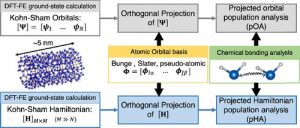 62. In a recent paper published in J. Chem. Theory Comput. (19, 4216 2023) titled “Chemical Bonding in Large Systems Using Projected Population Analysis from Real-Space Density Functional Theory Calculations”, Prof. Gour P. Das, along with with P. Motamarri (IISc), S. Bhattacharjee (IKST) and their groups have proposed an efficient and scalable computational approach for conducting projected population analysis from real-space finite-element (FE)-based Kohn–Sham density functional theory calculations (DFT-FE). This work provides an important direction toward extracting chemical bonding information from large-scale DFT calculations on materials systems involving thousands of atoms while accommodating periodic, semi-periodic, or fully nonperiodic boundary conditions. They have demonstrated this new methodology to extract the quantitative chemical bonding information of hydrogen chemisorbed in large silicon nanoparticles alloyed with carbon, which is a candidate material for hydrogen storage.
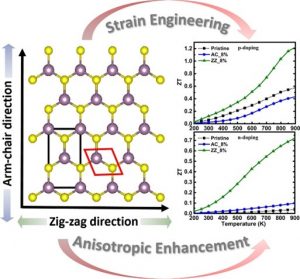 63. In this paper (which is part of the PhD work of Saumen Choudhuri) published in Appl. Surf. Sci. (626, 157139 2023) titled “Strain driven anomalous anisotropic enhancement in the thermoelectric performance of monolayer MoS2”, Professors Gour P. Das, B.N. Dev (CQuERE), A. Bhattacharya (IIT Bom) and coworkers investigated the strain and temperature induced tunability of the thermoelectric properties of monolayer (ML) MoS2. Modifications in the electronic and phononic transport properties, under two anisotropic uniaxial strains along the armchair (AC) and zigzag (ZZ) directions, have been explored in detail. The large reduction in thermal conductivity and remarkable increase in relaxation time, associated with the strains along the ZZ direction, act in unison to result in enhanced efficiency and hence improved thermoelectric performance. Nearly 150% enhancement in the thermoelectric efficiency can be achieved with the optimal doping concentration. The significance of in-plane tensile strains, in general, and strains along the ZZ direction, were highlighted in particular, in improving the thermoelectric performance of ML-MoS2.
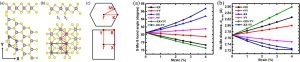 64.In this paper (which is part of the PhD work of Saumen Choudhuri) published in Physica B: Conden. Matter (655, 414701 2023) titled “Strain induced effects on the electronic and phononic properties of 2H and 1T′ monolayer MoS2 “, Professors Gour P. Das and B.N. Dev (CQuERE) addressed the strain-induced tunability of the electronic and the phononic properties of both 2H and 1T′ phases of monolayer MoS2 , and compared their stability. For the 2H phase, a direct to indirect band gap transition, followed by the band gap lowering leading to a semiconductor to metal transition, was observed. The applied strain destroys the semimetallic nature of the 1T′ phase. The 2H phase appears to withstand a larger amount of strain indicating better stability compared to the 1T′ phase. They also highlighted the significance of anisotropic strain-engineering in tuning the electronic and phononic properties and the stability limit of monolayer 1T′-MoS2.
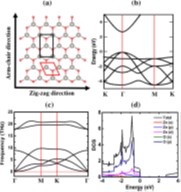 65. In this paper (which is part of the PhD work of Saumen Choudhuri) published in J. Electronic Materials (52, 1633 2023) titled “Ab Initio Study of Electronic and Lattice Dynamical Properties of Monolayer ZnO Under Strain”, Professors Gour P. Das and B.N. Dev (CQuERE), carried out first principles DFT investigation for the strain-induced modifications in the electronic and vibrational properties of monolayer (ML)-ZnO. A wide range of in-plane bi-axial tensile and compressive strain along different directions were applied to analyse the modifications in the band gap, frequencies of the in-plane and out-of-plane acoustic modes showing linear dispersion, and most importantly the out-of-plane flexural (ZA) mode showing quadratic dispersion. Furthermore, the potential of ML-ZnO to be a good thermoelectric material is analysed in an intuitive way based on the calculated electronic and phononic properties. Our results, thus, not only highlight the significance of strain-engineering in tailoring the electronic and vibrational properties but also provide a thorough understanding of the lattice dynamics and mechanical strength of ML-ZnO.