Brain disorders represent a growing public health threat, underscoring the need for new interdisciplinary approaches in discovery neuroscience that can be translated into effective therapeutic strategies. The Center for High Impact Neuroscience and Translational Applications (CHINTA), based in a state-of-the-art facility in Kolkata, aims to address these challenges by bringing together expertise from the biomedical sciences, physics, chemistry, mathematics, and computational and engineering sciences.

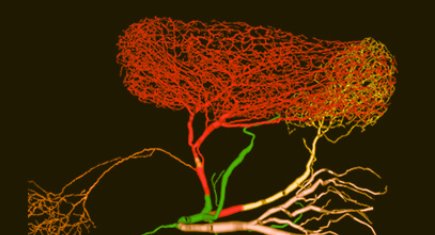
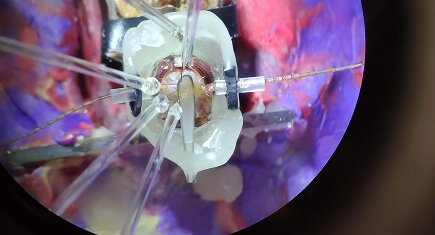
In Subhasis Ray’s lab, they investigate how the brain processes information by focusing on how animals use their senses to navigate and interact with their environment. Their research combines behavioral experiments, neural recordings, and computational modelling to study animal behavior while manipulating sensory inputs, which allows them to observe how changes in sensory information affect navigation and decision-making.
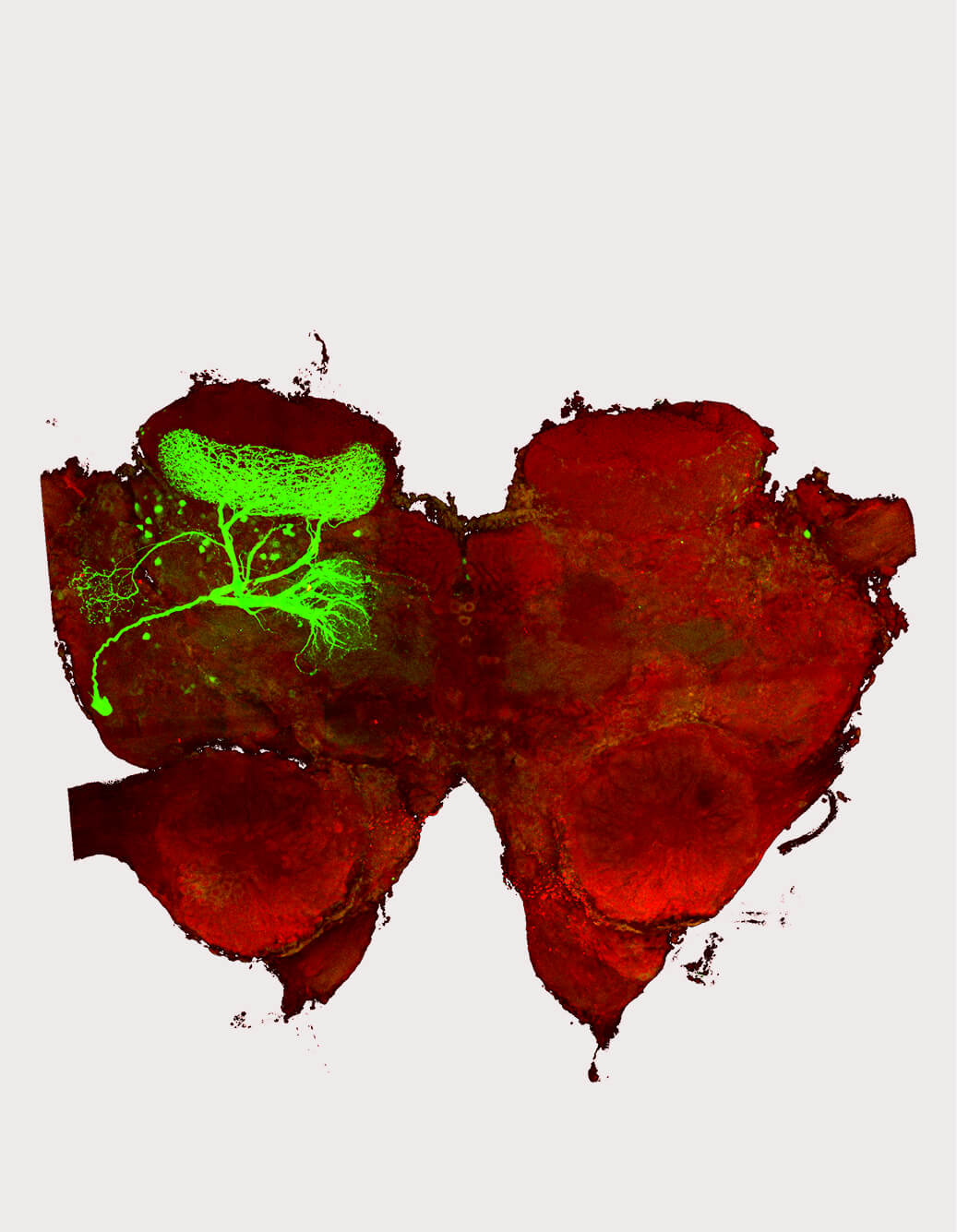
Exploring the integration of senses and memories to guide navigation in insects
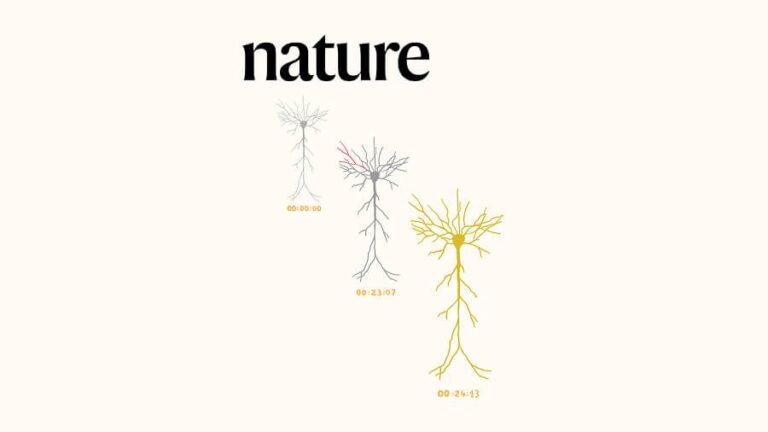
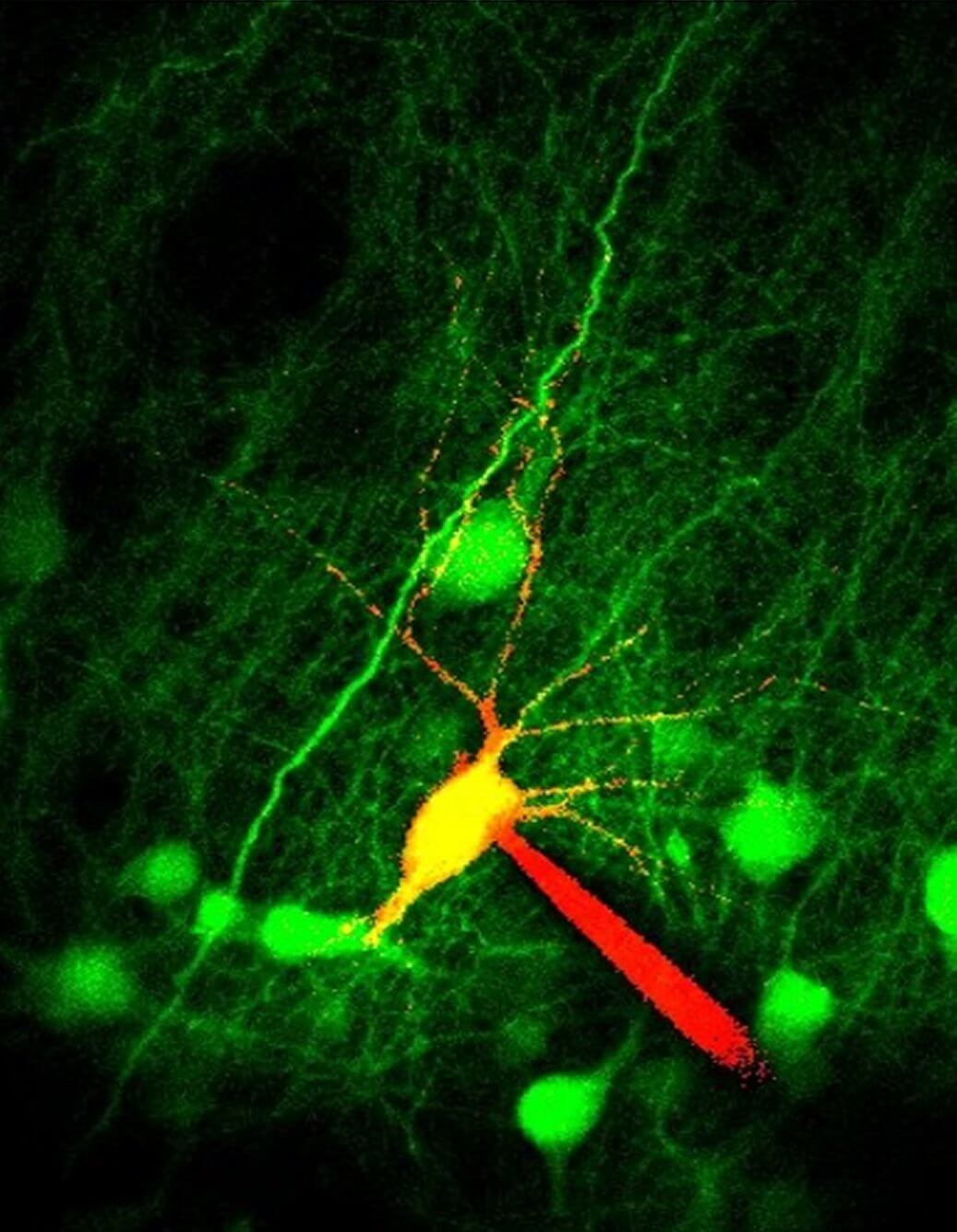
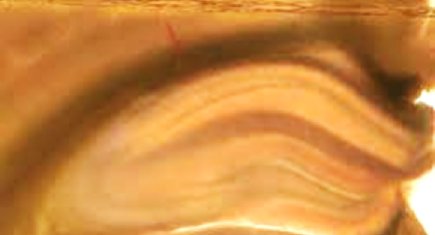
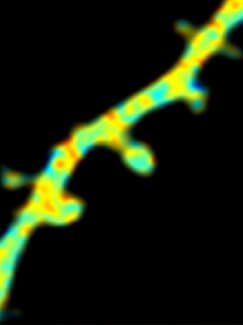
Decoding the molecular and synaptic mechanisms of memory formation
Auditory and vestibular impairments result from either damage to the sensory hair cells of the inner ear or injury to the sensory nerve. In an effort to prevent or reverse sensorineural abnormalities, Agnik Dasgupta’s lab is working to better understand the normal hair cell development process, the genetic causes of hearing loss, and possible means to regenerate hair cells.
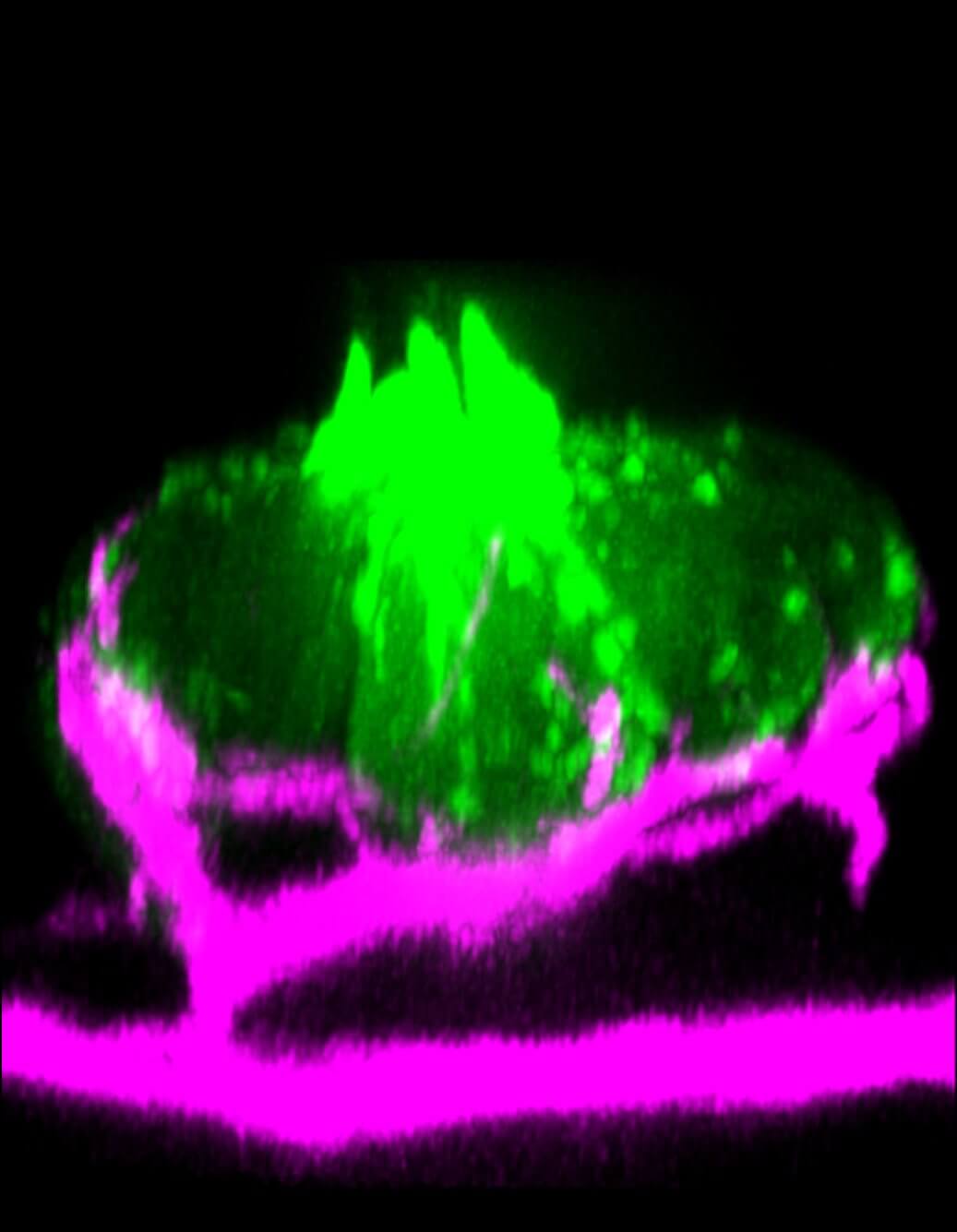
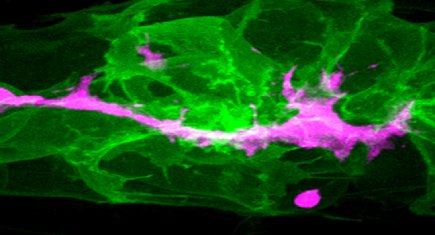
Unravelling the mechanisms of sensorineural morphogenesis using the zebrafish’s lateral line