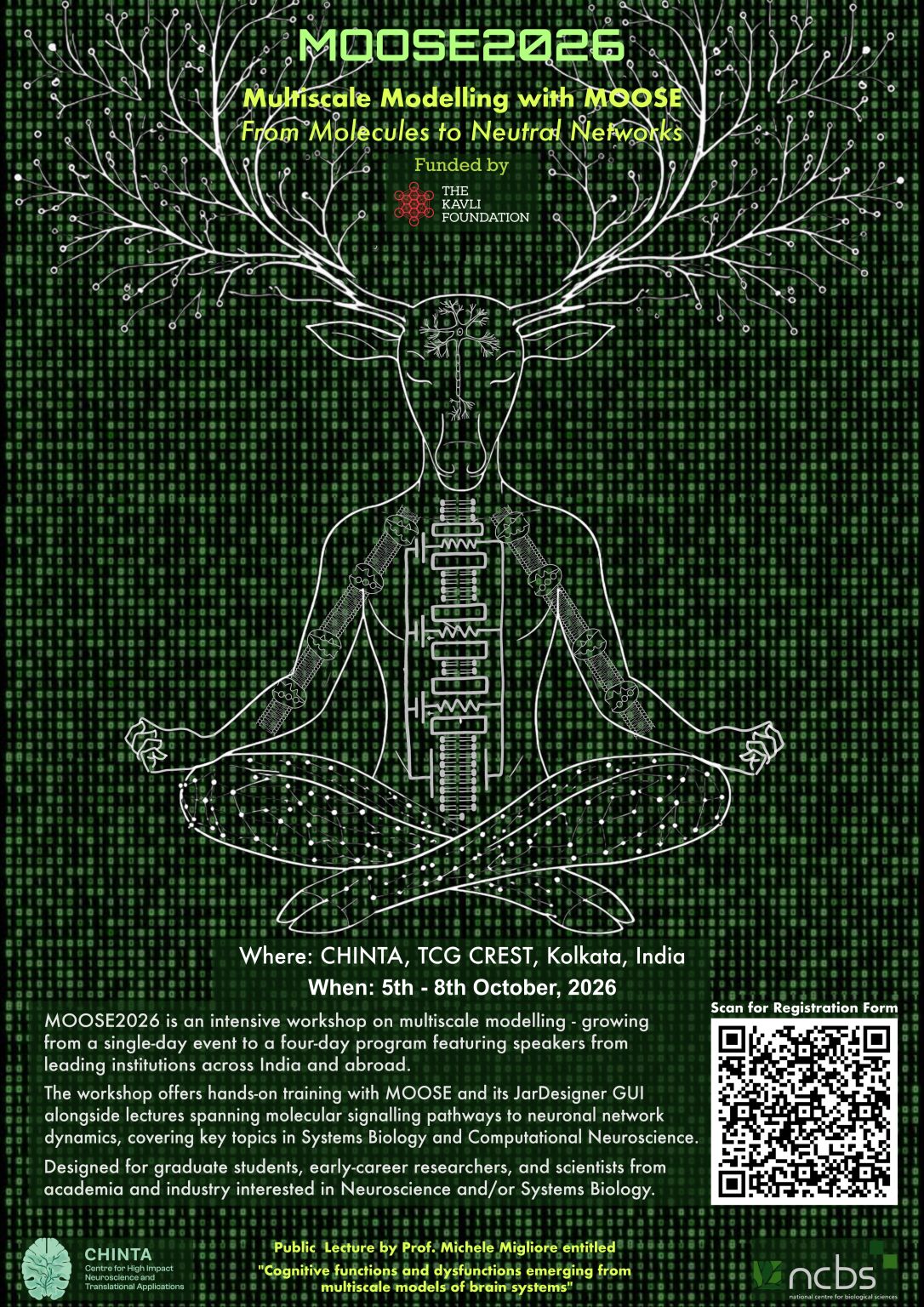
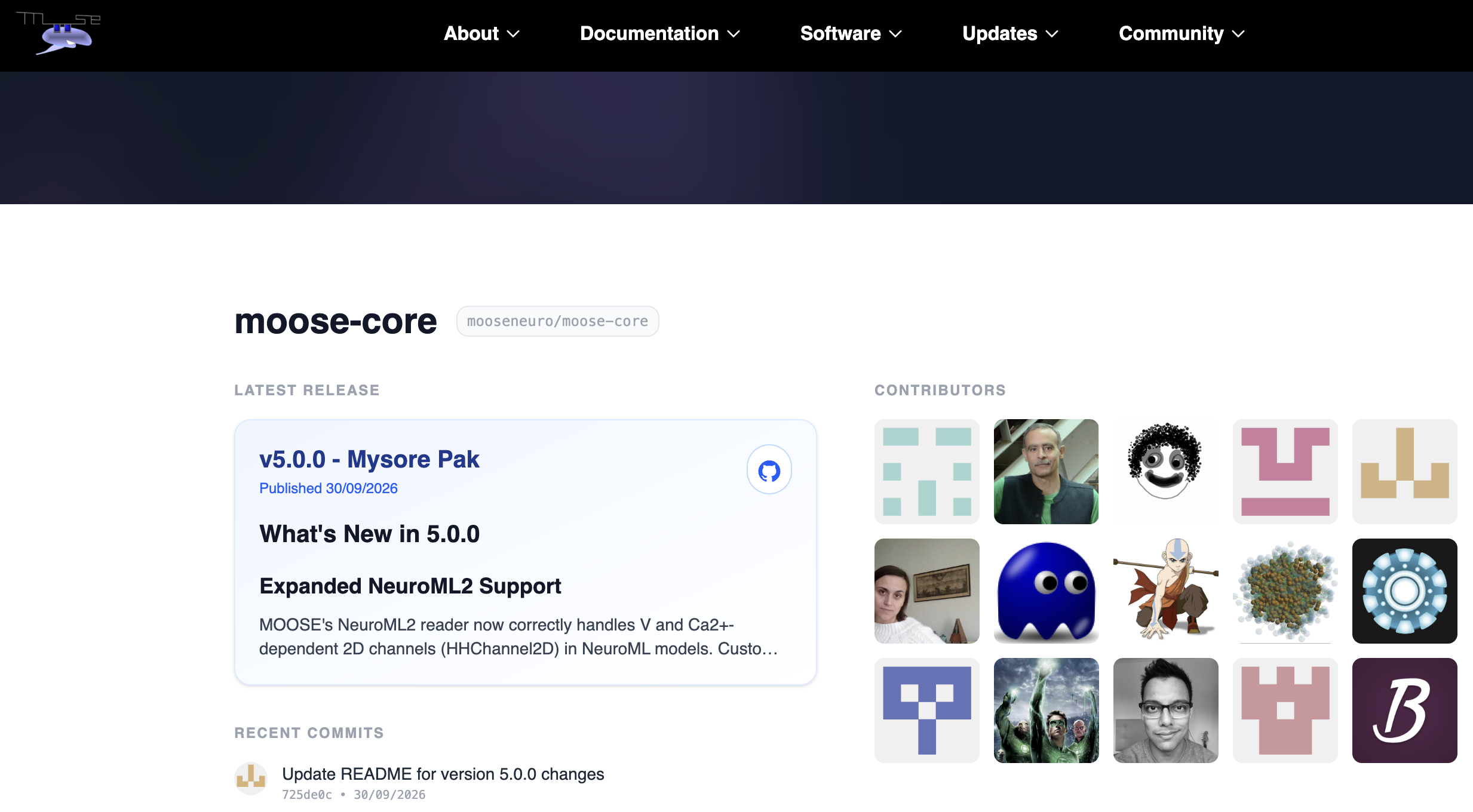
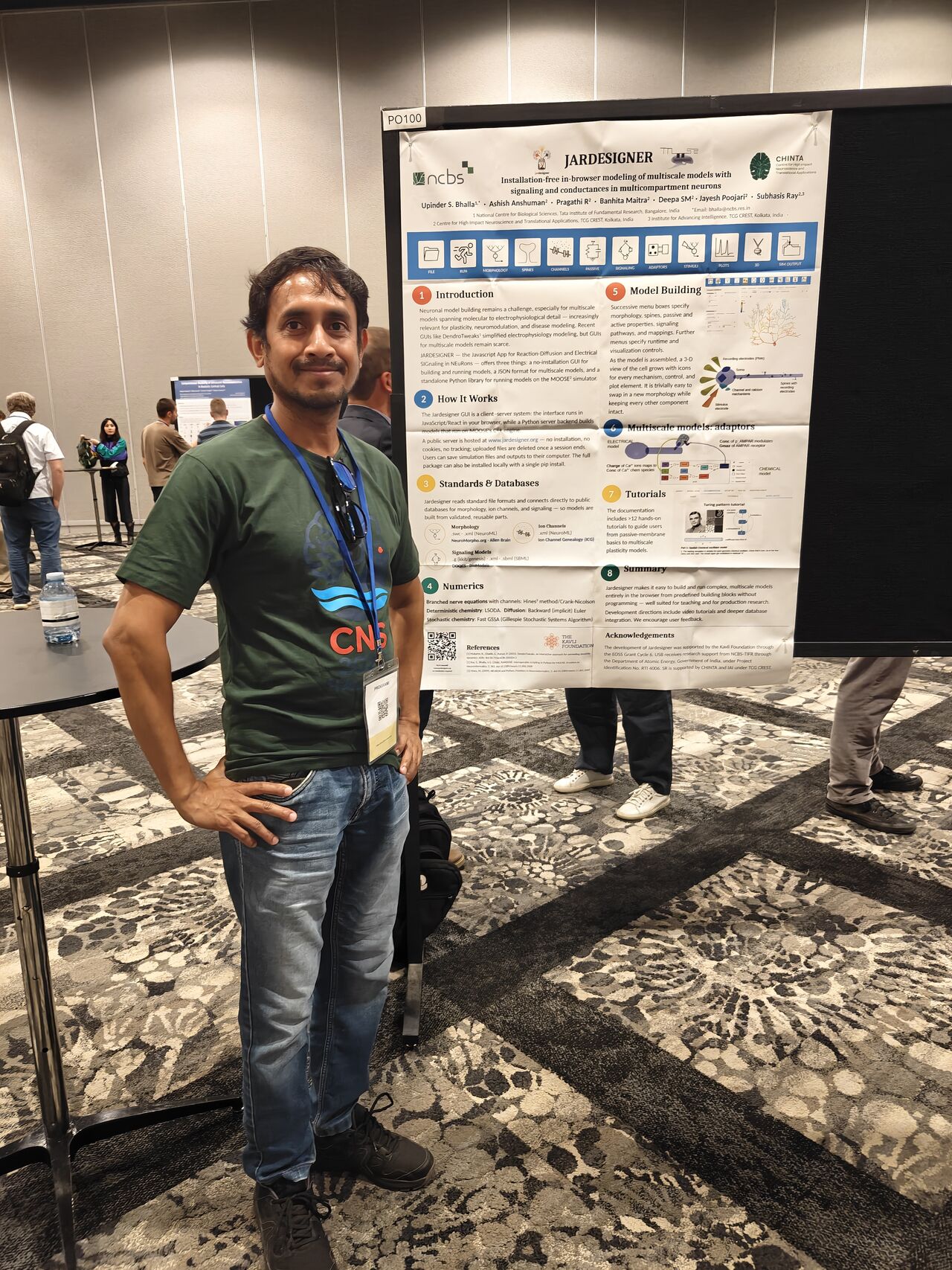
MOOSE new release v5.0.0 “Mysore Pak”
A major version update with Expanded NeuroML2 Support, Docker-based Installation, Breaking Changes and many other improvements. For quick read : https://www.mooseneuro.org/news/ Go check it out : https://github.com/MooseNeuro/moose-core/releases/tag/v5.0.0
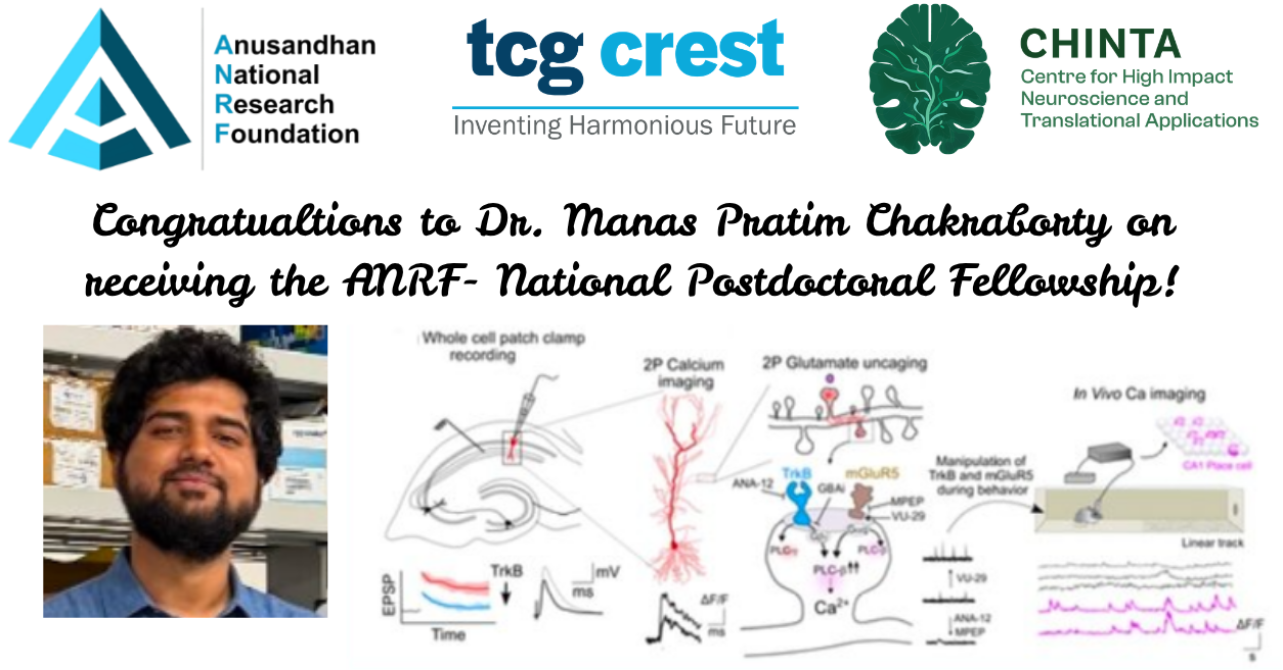
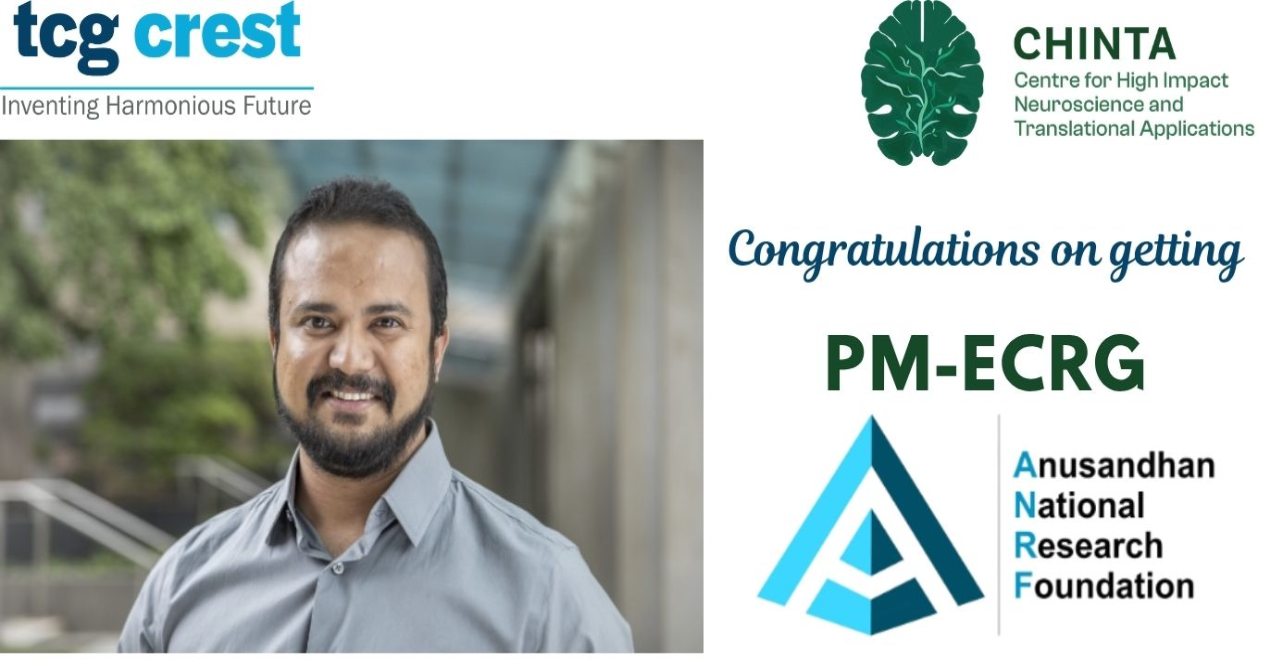
Dr. Manas Pratim Chakraborty awarded National Post Doctoral Fellowship by ANRF
We are delighted to congratulate Dr. Manas on being awarded the prestigious Anusandhan National Research Foundation (ANRF) – National Post Doctoral Fellowship (NPDF). This fellowship is a wonderful recognition of his dedication, perseverance, and passion for neuroscience research. As part of the fellowship, Manas will investigate calcium dynamics and the molecular mechanisms underlying behavioral timescale synaptic plasticity in the Jain Plasticity lab (Dr. Anant Jain), employing a range of in vitro and in vivo approaches to address fundamental questions in brain function.
New Publication from CHINTA and IISc
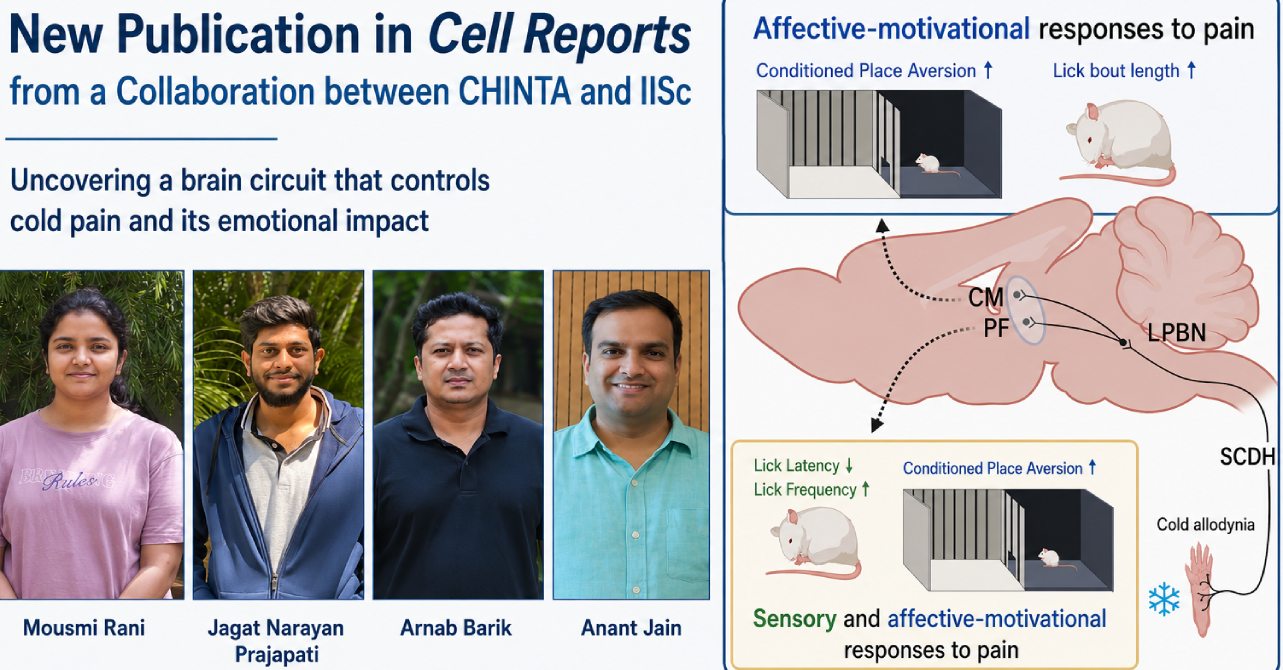
We are thrilled to share a new publication in 𝐂𝐞𝐥𝐥 𝐑𝐞𝐩𝐨𝐫𝐭𝐬 by researchers from CHINTA, TCG-CREST, Kolkata and Indian Institute of Science (IISc), Bengaluru.
This study uncovers a brain circuit underlying cold allodynia, a painful condition experienced by many cancer patients undergoing chemotherapy (CIPN), where even mild cold is perceived as painful. Using advanced neuroscience approaches like in vivo calcium imaging, electrophysiology, opto and chemogenetics, the authors identified a pathway connecting the lateral parabrachial nucleus (LPBN) to the parafascicular (PF) thalamus that plays a central role in both the sensory and emotional dimensions of cold pain. These findings provide key insights into how the brain processes pain and identify a promising target for developing therapies to alleviate CIPN.
Congratulations to the Barik lab and the Jain lab on this achievement!
Dr. Agnik Dasgupta receives the Early Career Grant by ANRF
We give our heartiest Congratulations to Dr. Agnik Dasgupta, who has been awarded the ‘PM Early Career Research Grant’ by the Anusandhan National Research Foundation (ANRF), for the project titled – “An Integrative Framework to Decipher in vivo Regulators of Hair Cell Development and Regeneration”
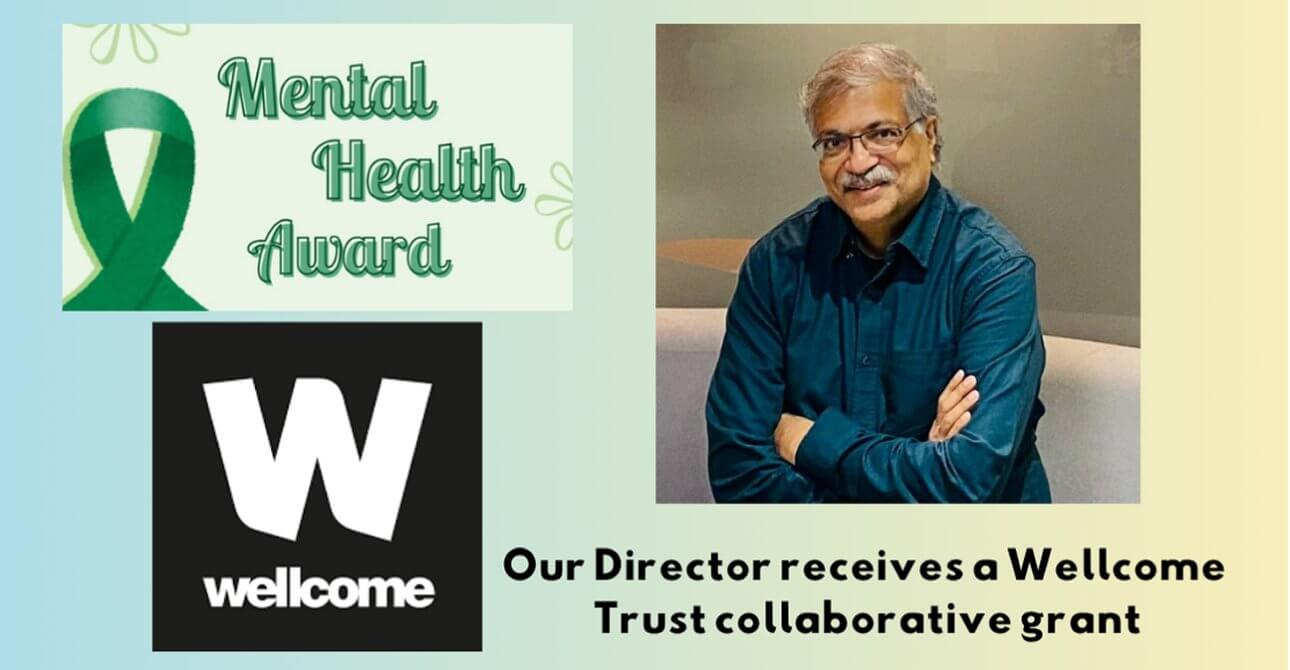
Dr. Shona Chattarji Awarded Wellcome Trust’s Target Validation Grant in Mental Health Programme
Prof. Sumantra Chattarji has been awarded a prestigious collaborative grant under the Wellcome Trust Target Validation program for novel mental health drug discovery, in partnership with Dr. Tom Otis (Lario Therapeutics) & Prof. Sonja B Hofer. This two-year collaboration will focus on validating CaV2.3 as a therapeutic target for Post-traumatic stress disorder (PTSD), leveraging Lario’s small molecule inhibitors of CaV2.3 which are selective and brain-penetrant. This grant is also a vital step towards solving complex mental health disorders such as PTSD and it’s lifelong effects.