Advancing Discoveries in Translational Neuroscience

The word chinta, in Bengali, means a thought or idea. There are several thoughts that motivated the creation of this research center focused on translational neuroscience. Foremost among these is that neurodegenerative, neuropsychiatric and neurodevelopmental disorders pose a major public health threat, especially in India. The urgent unmet need is for overcoming bottlenecks at pivotal stages of translating “discovery” to “delivery”.  

CHINTA was established in early 2023, inspired by the vision of Dr. Purnendu Chatterjee and generous funding from The Chatterjee Group (TCG) Centres for Research and Education in Science and Technology (CREST). Leveraging a network of international experts and collaborations, we aim to innovate and deliver an integrated approach to bridging key gaps in neuroscience.   
The CHINTA Philosophy

From Discovery to Delivery

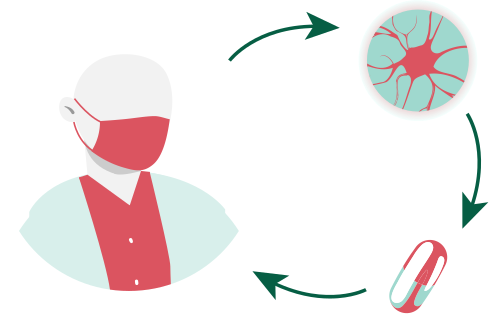
Breakthroughs in neuroscience often fail to translate into effective treatments due to limited relevance of animal models to human biology. To overcome this, we investigate disease processes directly in patient-derived neural stem cells, enabling more accurate target discovery and validation. We aim to improve therapeutic success and strengthen the bridge between fundamental and clinical neuroscience research in India.

From Discovery to Delivery

From Caucasian to Indian populations

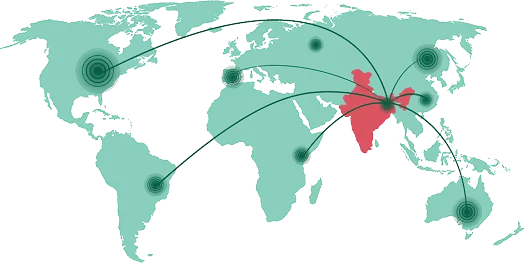
Most medicines are developed based on patients of Caucasian ancestry, yet Indian populations differ significantly in genetics, physiology, diet, and social context. How these factors influence drug responses in the brain remains largely unknown. We study brain disorders using Indian patient-derived neural stem cells to uncover population-specific mechanisms and build a genetically annotated cell repository, which will eventually create new drug-screening platforms. 

From Caucasian to Indian populations

From “me” to “we” science

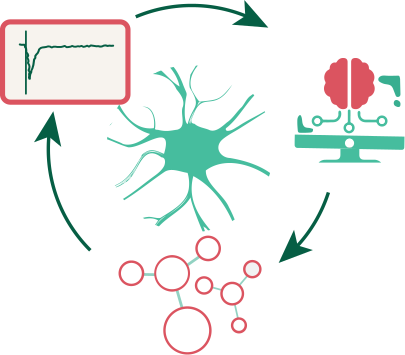
Modern neuroscience thrives on collaboration across physical, computational, engineering, and biomedical sciences, yet India still faces strong structural barriers between these fields. To enable true interdisciplinary exchange, new research and training models are essential. CHINTA aims to drive this paradigm shift by fostering cross-disciplinary mobility and empowering researchers to work seamlessly across diverse scientific domains. 

From “me” to “we” science

Our Approach

Across biological scales

We chase questions across multiple levels of neural organization – from genes and molecules to synapses, circuits and behaviour.

Across lifespan

We study brain diseases that affect us from early childhood through adulthood into old age, such as autism spectrum disorders, stress disorders, dementia, and movement disorders.

Diverse techniques

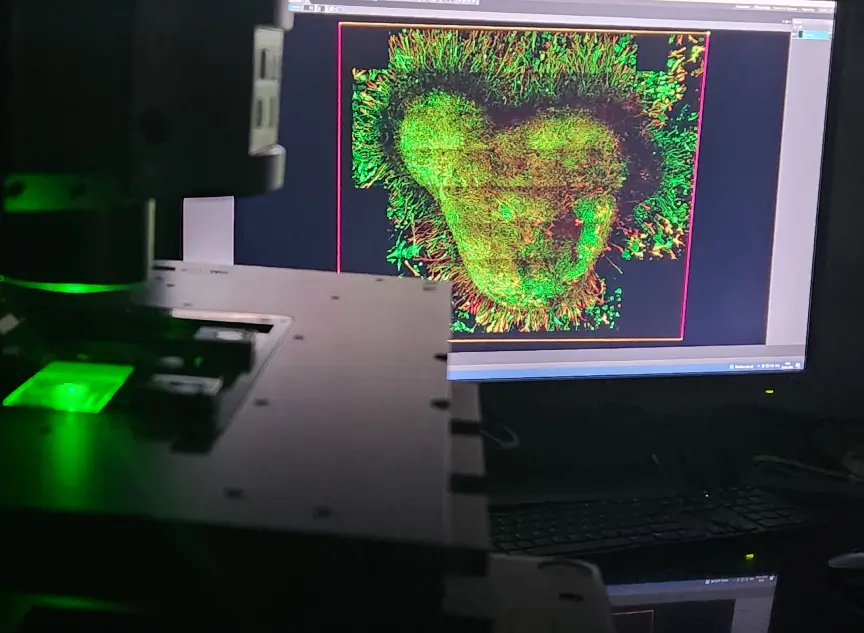
We use multiple technique such as single-cell microscopy and electrophysiology, in-vivo imaging and recordings, molecular biology and biochemical assays, behavioural analyses in animal models and computational methods. 

Leadership

Director

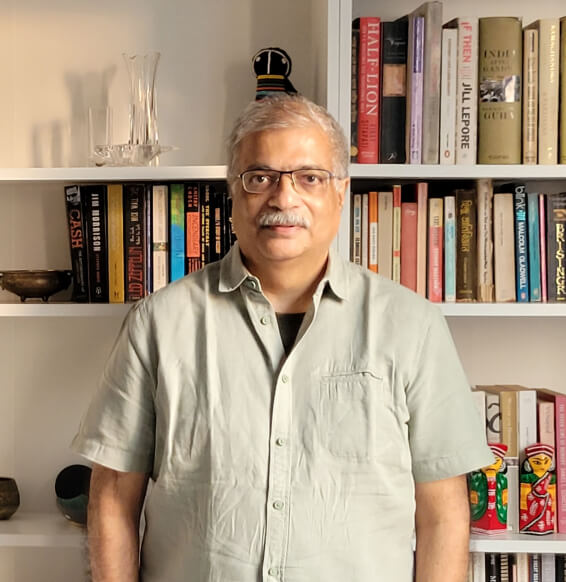
Prof. Sumantra “Shona” Chattarji

Shona Chattarji is the Director of CHINTA, TCG CREST. He is also a Visiting Professor of Simons Initiative for the Developing Brain, University of Edinburgh, UK. Before joining CREST, he was a Senior Professor of National Centre for Biological Sciences (NCBS), Tata Institute for Fundamental Research, Bangalore, India.

Scientific Advisory Board

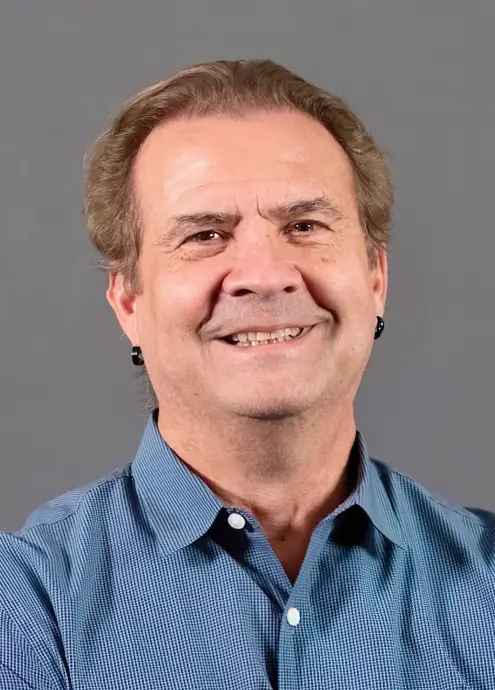
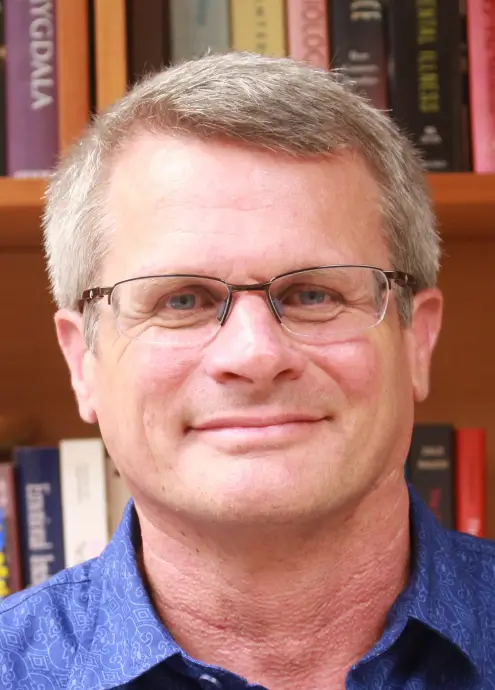
Eric Klann, PhD

Eric Klann, PhD

Professor

Center for Neural Science,
New York University

Francis Lee, PhD

Francis Lee, PhD

Chair

Dept. of Psychiatry & Dean, Weill-Cornell Medical School

Gregory Quirk, PhD

Gregory Quirk, PhD

Supervising Scientist

National Institutes of Health, Philippines