Research
Collaborations

Neurobiological Disease Modelling for Spinocerebellar Ataxia (SCA) In Zebrafish

Objective

Development of novel zebrafish transgenics expressing mutant SCA-associated genes to identify mechanisms that lead to Purkinje cell dysfunction and progressive neurodegeneration.

Key Stakeholders

Prof. Vatsala Thirumalai (NCBS)

Dr Agnik Dasgupta (CHINTA)

Novel Imaging Tools to Understand Homeostatic Plasticity in Autism

Novel Imaging Tools to Understand Homeostatic Plasticity in Autism

Objective

To study the role of TrkB receptor signaling in BTSP induction and place cell formation by optimizing the TrkB FRET sensor to allow imaging in acute brain slices. We then aim to compare how BTSP and trkB-BDNF activity are altered in transgenic mouse models of Autism.

Key Stakeholders

Dr Ryohei Yasuda (MPFI)

Dr Anant Jain (CHINTA)

Cellular and synaptic mechanisms underlying chronic pain in the brain

Cellular and synaptic mechanisms underlying chronic pain in the brain   

Objective

To investigate dopamine induced synaptic plasticity changes in Anterior cingulate cortex neurons following chronic pain and to investigate plasticity mechanism in PBN-PF circuitry in chemotherapy-induced pain neuropathy model.

Key Stakeholders

Dr Arnab Barik (IISc)

Dr Anant Jain (CHINTA)

Intracellullar Ca2+ signaling and gene expression in cortical neurons from SCA12 patient derived iPSCs.

Intracellullar Ca2+ signaling and gene expression in cortical neurons from SCA12 patient derived iPSCs

Objective

To measure intracellular Ca2+ responses, gene expression and chromatin modification changes from patient derived SCA12 neurons. We then aim to identify mechanisms of gene expression that undergo changes in SCA12 patients for therapeutic measures in future.


Key Stakeholders

Prof. Gaiti Hasan (NCBS)

Prof. Sumantra Chattarji (CHINTA)

Mosquito Larval Swim Kinematics

Mosquito Larval Swim Kinematics

Objective

Develop a crowd science platform to monitor the abundance of different mosquito species from videos of larvae in stagnant water.

Key Stakeholders

Dr Sonia Sen (TIGS)

Dr Subhasis Ray (CHINTA)

Enhancing Interoperability, UI and Documentation of MOOSE

Enhancing Interoperability, UI and Documentation of MOOSE

Objective

Maintain and enhance the MOOSE neurosimulator and conduct outreach and training activities for facilitating computational modelling and simulation research in neuroscience and systems biology.

Key Stakeholders

Prof. Upinder Singh Bhalla (NCBS)

Dr Subhasis Ray (CHINTA)

Characterization of cognitive and behavioral deficits in SCA12 patients

Characterization of cognitive and behavioral deficits in SCA12 patients

Objective

To characterize cognitive impairments in SCA12 patients and determine which domains are impaired versus preserved.

Key Stakeholders

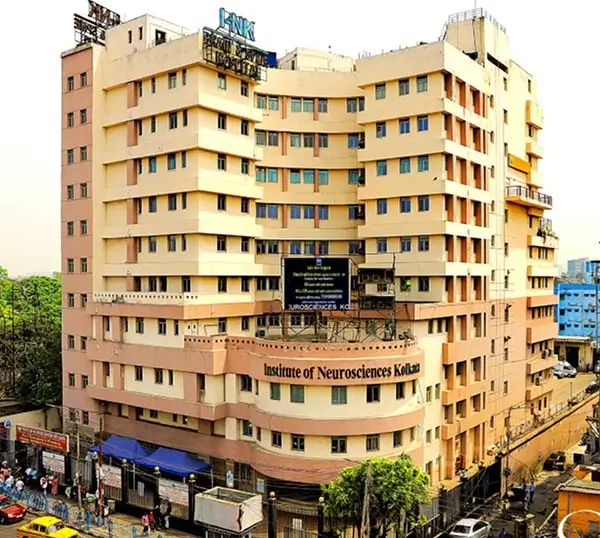
Dr. Hrishikesh Kumar (IN-K)

Nishka Mishra (CHINTA)

Dr Krithika Ramachandran Jain (CHINTA)

Prof Sumantra Chattarji (CHINTA)

Adaptation and validation of TorCA in Indian population

Adaptation and validation of TorCA in Indian population

Objective

To develop a culturally adapted version of TorCA for the Indian population, in order to enhance early detection of cognitive decline in diverse Indian cohorts.

Key Stakeholders

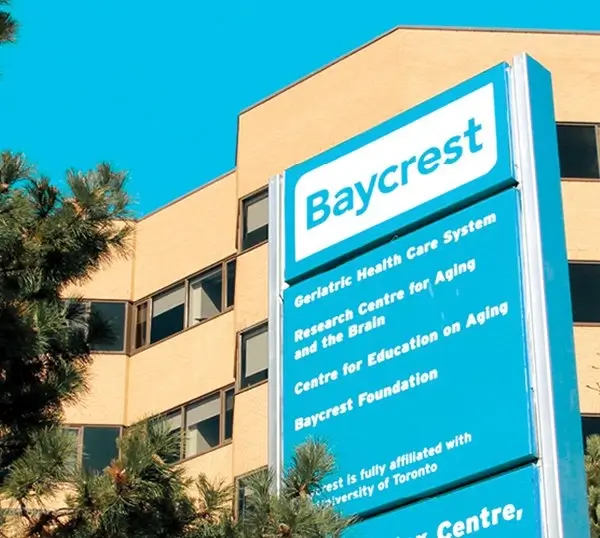
Dr Morris Freedman (Baycrest)

Dr Krithika Ramachandran Jain (CHINTA)

Dr. Dhiman Ranjan Bharadwaj (CHINTA)

Prof Sumantra Chattarji (CHINTA)

CBT App for Anxiety & Depression in Undergraduate students in India

CBT App for Anxiety & Depression in Undergraduate students in India

Objective

To test the effectiveness and acceptability of a contextually adapted version of a cognitive-behavioral therapy (CBT) mobile application- “Maya” for improving mental health outcomes among college students with anxiety and depression.

Key Stakeholders

Dr. Francis Lee (Weil Cornell)

Khushi Bhatia (CHINTA)

Dr Krithika Ramachandran Jain (CHINTA)

Prof Sumantra Chattarji (CHINTA)

Enhanced norepinephrine signaling in the ACC drives the affective -motivational and somatosensory responses to neuropathic pain

Enhanced norepinephrine signaling in the ACC drives the affective -motivational and somatosensory responses to neuropathic pain 

Objective

Capacity building, joint publication and translational impact for broader societal benefits

Key Stakeholders

Dr Arnab Barik (IISc)

Dr. Pradeep K Mishra (CHINTA)

Brain region-specific multi-omics analysis of Major Depressive Disorders in the Indian population using human-induced pluripotent stem cell resilience factors to identify personalized therapeutic targets

Objective

To investigate the brain region-specific multi-omic profiles of individuals with MDD and explore potential factors contributing to resilience, focusing on the Indian population using human induced pluripotent stem cells.

Key Stakeholders

Dr Rakhi Pal

Dr Suryanarayan Biswal (CUP)

Dr Praveen Kumar

Dr Atreyo Law (IN-K)

Dr Jawahar Singh (AIIMS, Bathinda)

CHINTA
Research Partnership

Research Summary

My group studies how intracellular Ca2+  signaling, through the IP3R and the store-operated Ca2+ channel (STIM/Orai) impacts neuronal function. Ca2+ release through the intracellular ER-membrane localised IP3R activates STIM and leads to extracellular Ca2+ entry through Orai referred to as SOCE. Work from our group in human neuronal cells demonstrates a new role for the IP3R in regulating SOCE.

Ligand-bound IP3Rs enhance association of STIM1 and Orai1 in neuronal cells even in the absence of Ca2+ release from the ER. Convergent regulation of SOCE by IP3Rs may tune neuronal SOCE to respond selectively to membrane receptors that generate IP3 (1).  Our current interest is to understand how Ca2+ signaling through IP3Rs and SOCE impacts neuronal health in the context of Parkinson’s Disease and Spinocerebellar Ataxias. We are studying this in Drosophila dopaminergic neurons and human patient derived iPSCs.

Gaiti Hasan, PhD

Distinguished Fellow

Prof. Hasan received her PhD in Molecular Biology from the University of Cambridge, UK, and carried out postdoctoral research at the Tata Institute of Fundamental Research, Mumbai, and at Brandeis University, USA, with Nobel Laureate Prof. Michael Rosbash. Her laboratory studies intracellular calcium signaling in neuronal function using model systems ranging from Drosophila and mouse to human stem cell–derived neurons. In Drosophila, her group uses neurodegenerative disease models to screen for compounds that slow neurodegeneration, while studies in human neurons focus on modulating calcium signaling to prevent movement-related neurodegenerative disorders, including spinocerebellar ataxias and Parkinson’s disease. Prof. Hasan is a Fellow of multiple national and international science academies and a recipient of several prestigious honors, including the Chaire Gutenberg (France) and the Sir M. Visveswaraya Lifetime Achievement Award. In 2024 she was invited to deliver the Michael Berridge Keynote Lecture at the European Calcium Society meeting held at Cambridge, UK.

Research Summary

What are the maladaptive mechanisms underlying chronic pain and itch? Pain and itch are protective sensations, but they become pathological when they persist beyond the original stimulus. When and how these adaptive mechanisms transition into chronic states remains poorly understood. Our laboratory investigates how alterations in connectivity, molecular composition, and activity within specific brain regions contribute to chronic pain and itch.

How do neuropeptides and neuromodulators drive plasticity in pain and itch circuits? Pain and itch circuits exhibit remarkable plasticity, with repeated stimulation producing long-lasting changes that can lead to chronic pathology. Neuropeptides and neuromodulators play key roles in driving this plasticity. Using recently developed in vivo fluorescent sensors for molecules such as serotonin, dopamine, norepinephrine, and substance P, we examine how neuromodulatory dynamics are altered in circuits underlying chronic pain and itch.

Arnab Barik, PhD

Adjunct Faculty

Dr. Arnab Barik is an Assistant Professor at the Indian Institute of Science, Bangalore, and a DBT-Wellcome IndiaAlliance Intermediate Fellow. He earned his B.Tech in Biotechnology from SRM University, Chennai, and completed his PhD in Neuroscience with Dr. Lin Mei at the Medical College of Georgia, where he studied the cellular and molecular mechanisms underlying neuromuscular junction development and maintenance. He then pursued postdoctoral training at the National Institutes of Health with Dr. Alexander Chesler, focusing on somatosensation and the neural circuits mediating sensory perception. During this work, he identified a specific population of parabrachial nucleus neurons critical for affective responses to pain. In 2020, he joined the Centre for Neuroscience as a principal investigator, where his lab investigates the molecular, cellular, and circuit mechanisms underlying pain and itch.

Arnab Barik, PhD

Research Summary

Dr. Dhiman has worked with first episode schizophrenia patients, exploring cognition and its neurobiological correlates using blood markers like hsCRP and IL-6, and functional MRI. He has participated in a systematic review and meta-analysis on low-field magnetic stimulation for treatment of depressive disorder.

He is also a part of an ongoing systematic review on role of Indian classical music in anxiety disorders. At CHINTA, he is helping advance the clinical research using his expertise in psychiatric disorders and is playing a key role in developing tools to address cognition in various neurological disorders.

Dhiman Ranjan Bharadwaj, MD

Clinician Scientist

Dr. Dhiman is a psychiatrist, having completed his MD from Central Institute of Psychiatry, Kanke, Ranchi. He has a keen interest in research in common and severe mental illnesses and cognitive neurosciences. He is actively involved in clinical work, and wants to train himself in basic sciences research involving translational applications.